
Using Humanity to Foster Robotics™
Transforming Robot Intent into Human Understanding™
We develop human-centered communication technologies that help people interpret robotic behavior, reduce uncertainty and build confidence in shared environments.
It starts with Skollar™, a visual communication accessory in development, and extends to developing programs for Security & Data Protection and independent validation.
Vision → Humanity → Trust → Technology
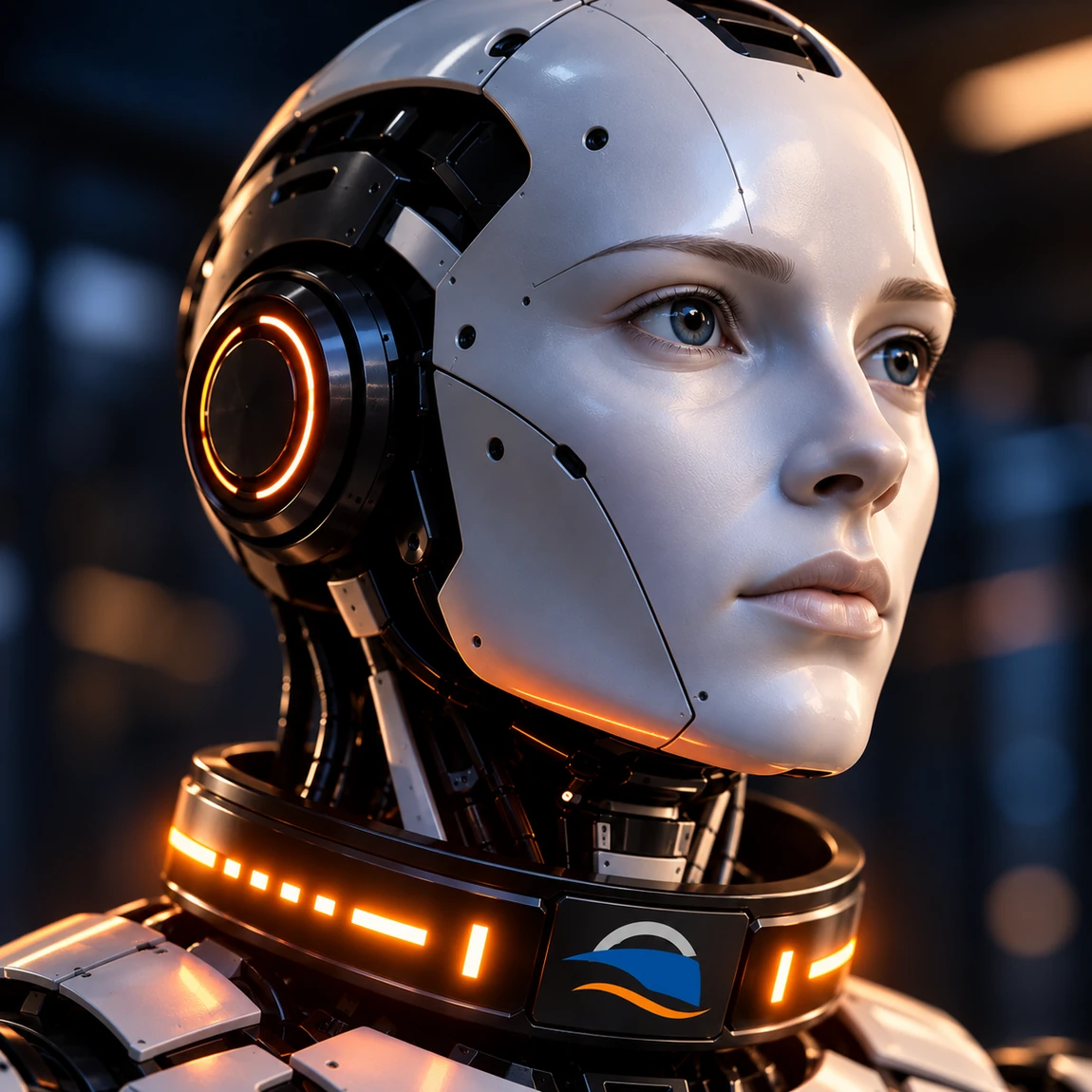
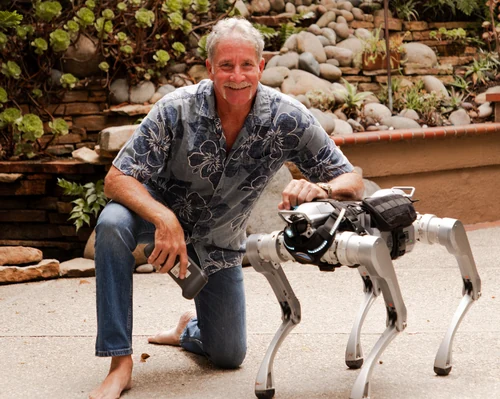 HumanityReal-World Human Understanding
 TrustSecurity & 3rd Party Validation(In Development)
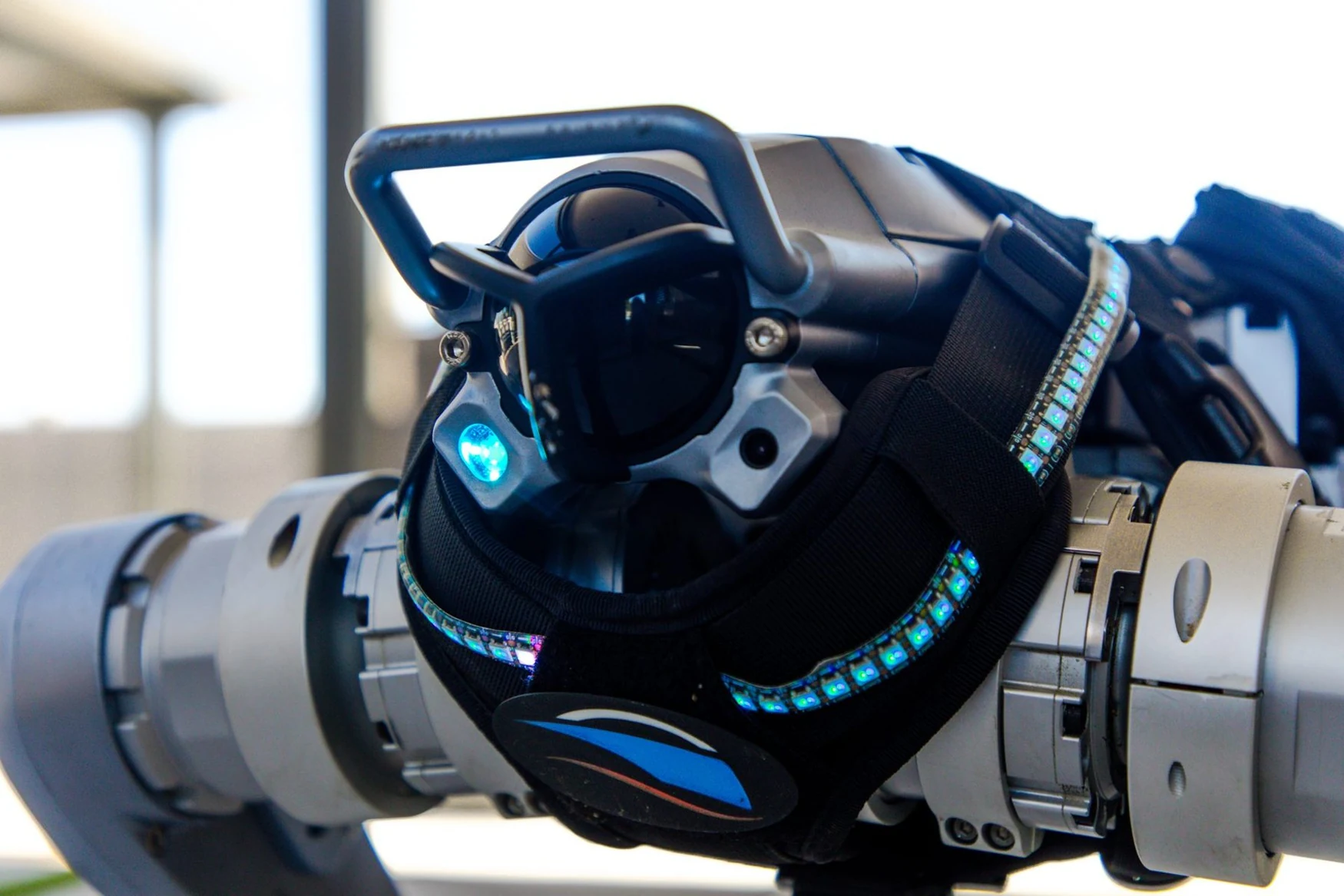 TechnologySkollar™(In Development)
The Robot Understands Its Environment. But Do People Understand the Robot?
Autonomous systems process enormous amounts of information about their surroundings, movement and next action. That intelligence often remains invisible to the person standing nearby.
People should not have to read telemetry or open a dashboard to answer basic questions about the machine in front of them.
- Is it stopping?
- Does it see me?
- Will it turn?
- Is it reversing?
- What happens next?
A Robot Can Be Physically Safe and Still Create a Security Risk.
Autonomous systems increasingly operate in spaces designed for people while seeing, sensing, collecting, and transmitting information about the environments around them. Trusted deployment therefore requires more than technical performance.
People need to understand robotic behavior. Organizations need confidence that sensitive information is secure. And critical security and trust claims need independent validation.
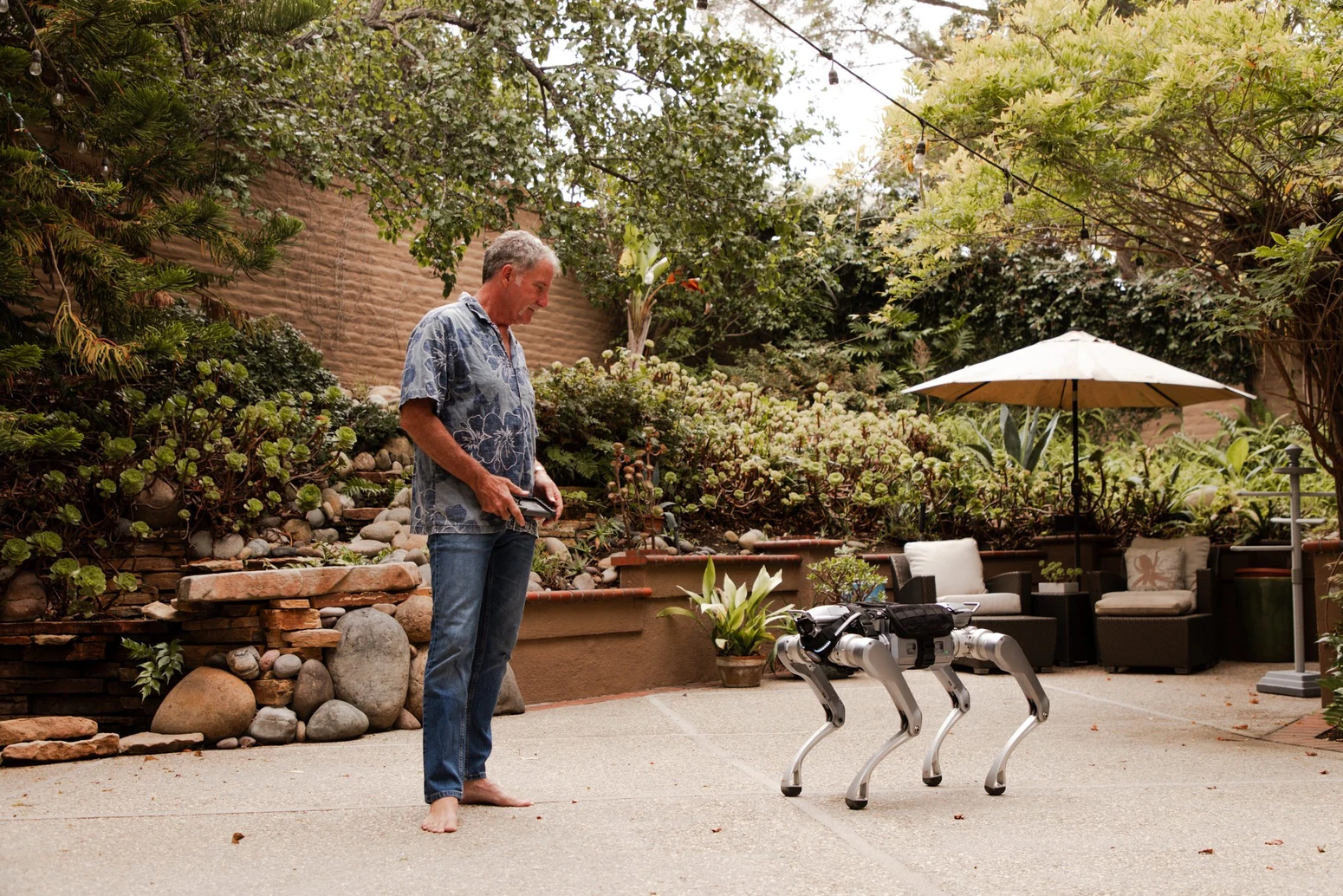
What Do People Need to Know?
- What is the robot doing?
- Where is it going?
- What happens next?
- How should I interact with it?
What is it doing with our data?
- What can the robot see or sense?
- What information can it collect?
- Where can that data go?
- Who may be able to access it?
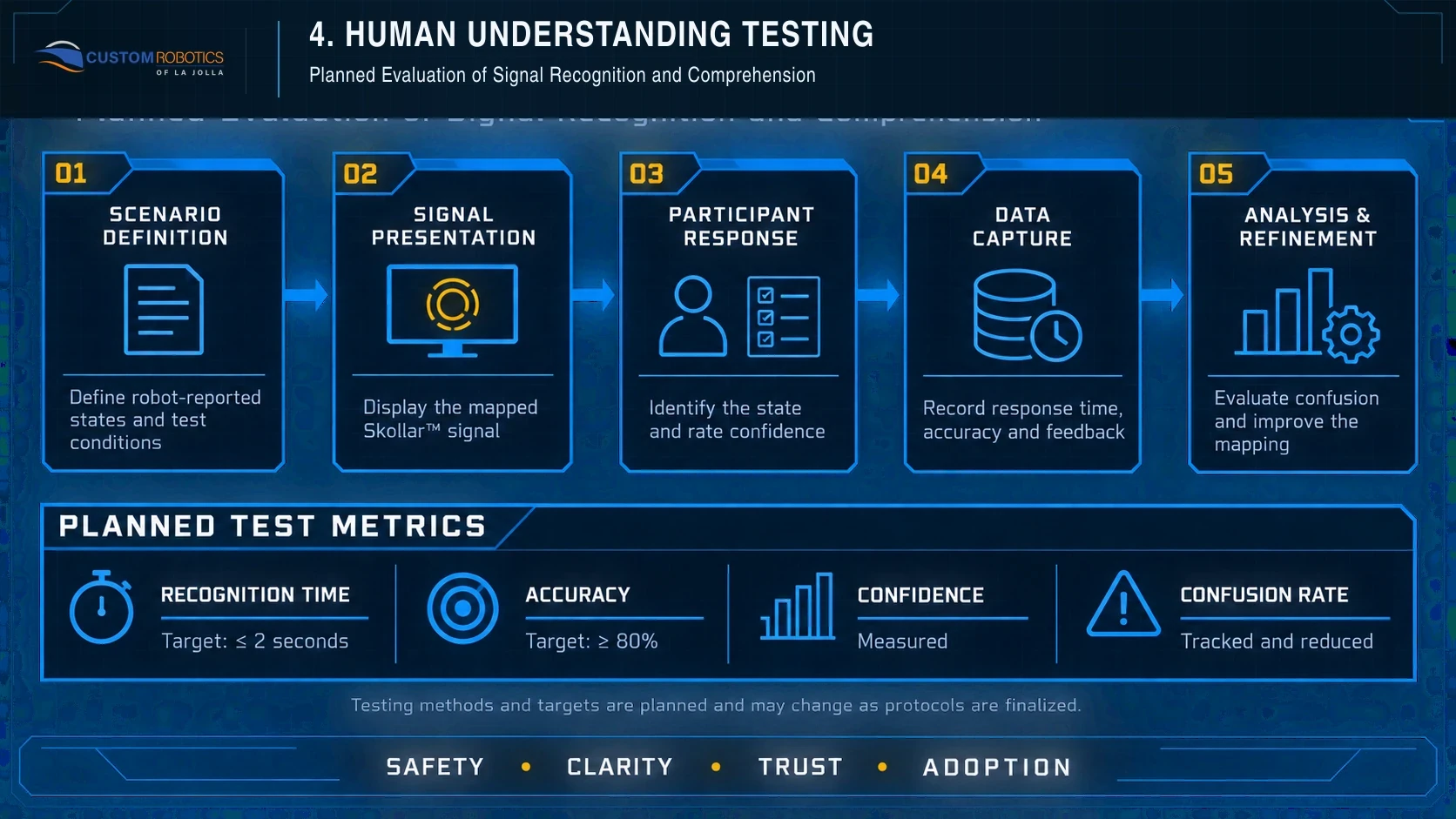
Who verifies those claims?
- Which claims have been defined?
- What evidence supports them?
- Who evaluated that evidence?
- How is the result communicated?
Three different trust requirements. One robotics deployment.
The Missing Layer Between Robot Intelligence and Human Understanding.
Every successful technology eventually develops a language people understand. Vehicles use turn signals and brake lights. Digital systems use icons and status indicators.
Autonomous robots need an equally intuitive way to communicate with the people around them. CRLJ calls that missing capability The Empathy Layer for Robotics™.
As robotics becomes increasingly connected, that missing layer must address not only Human Understanding, but Security & Data Protection, transparency, and Independent Validation.
Transforming Robot Intent into Human Understanding™
- Robot IntelligenceAutonomy, perception, control
- The Empathy LayerMachine state translated into human signal
- Human UnderstandingInterpreted at the point of interaction
- TrustConfidence to work alongside the system
Meet Skollar™
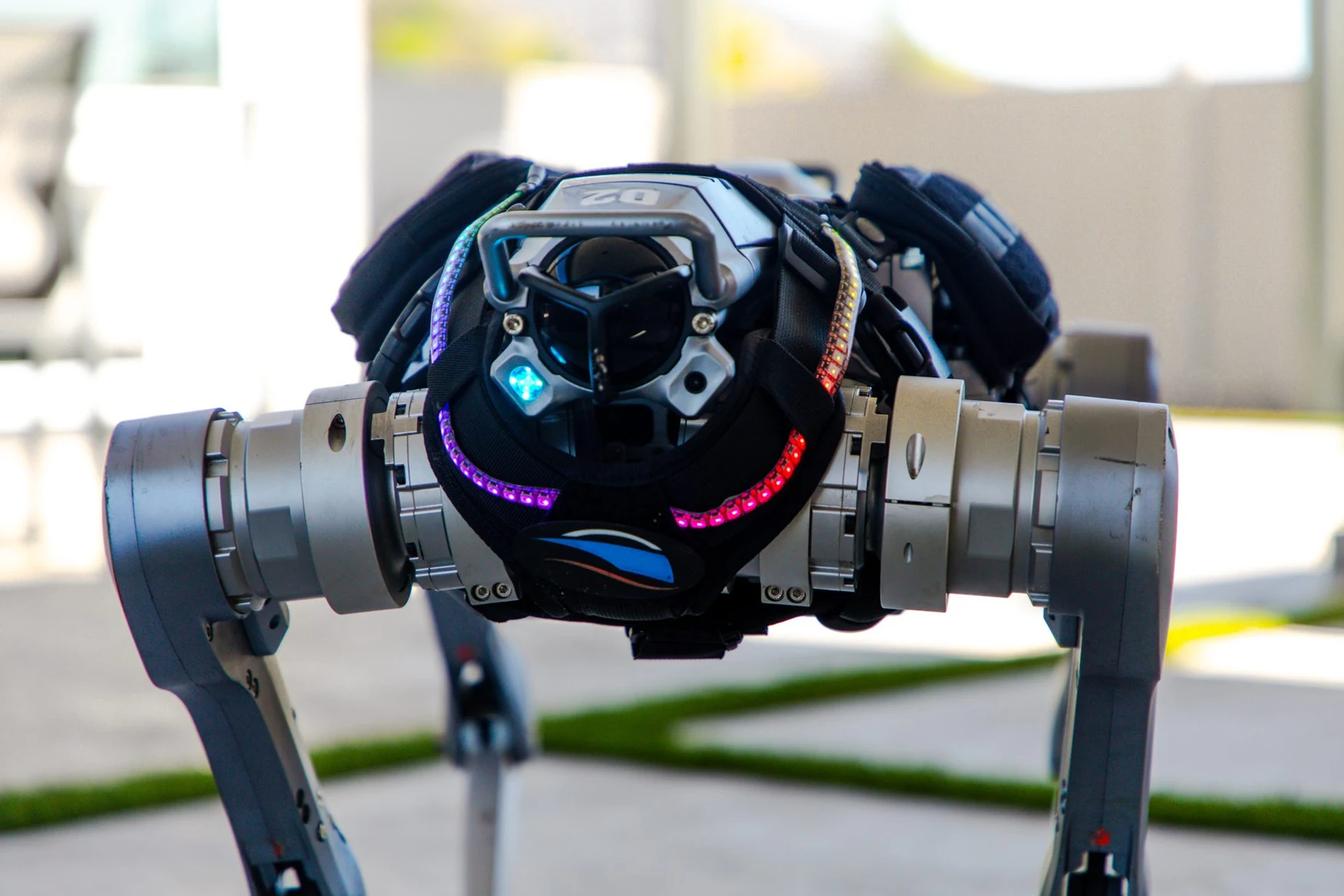
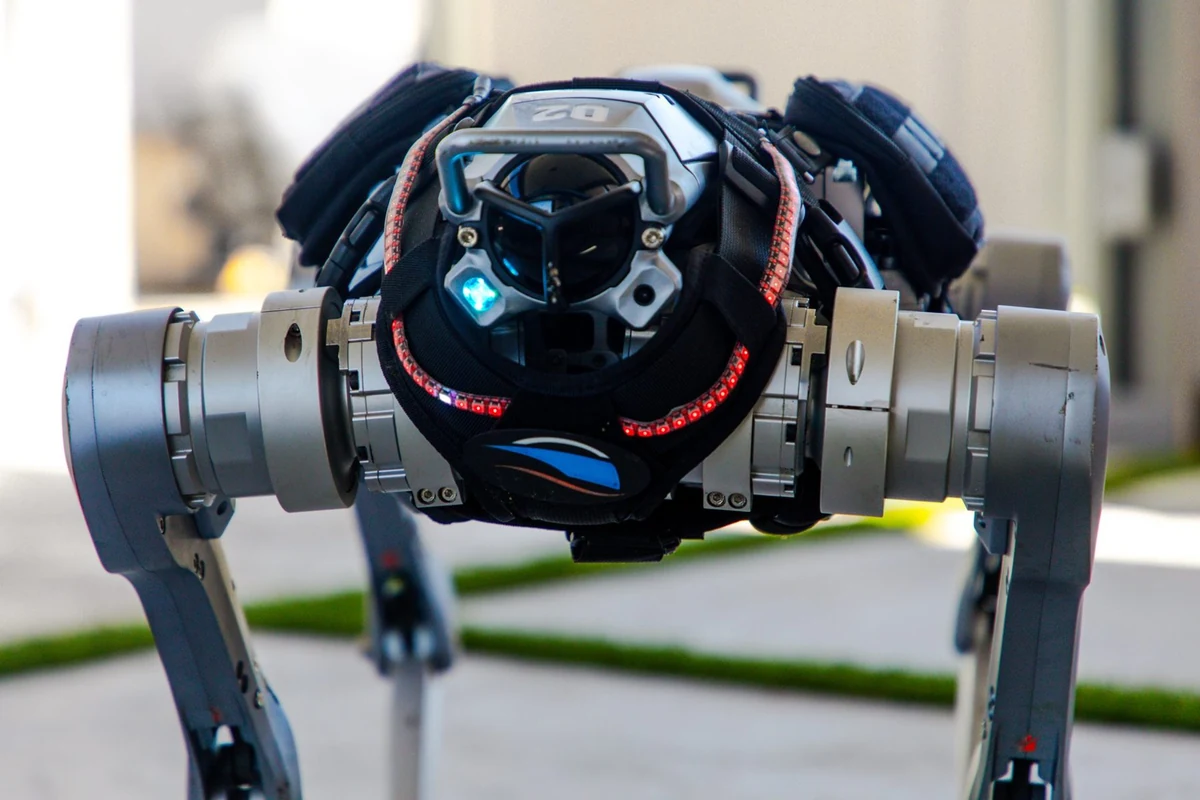
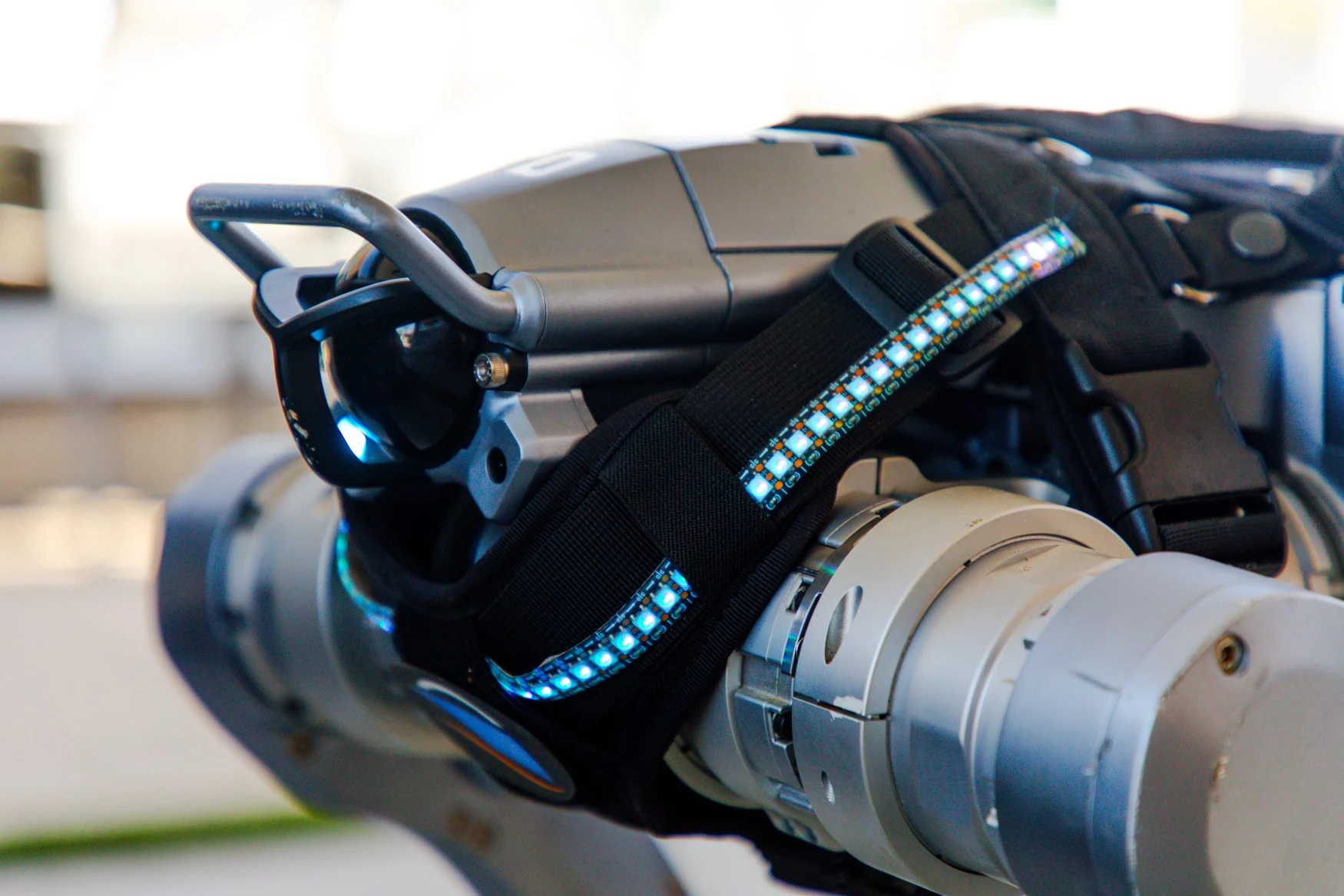
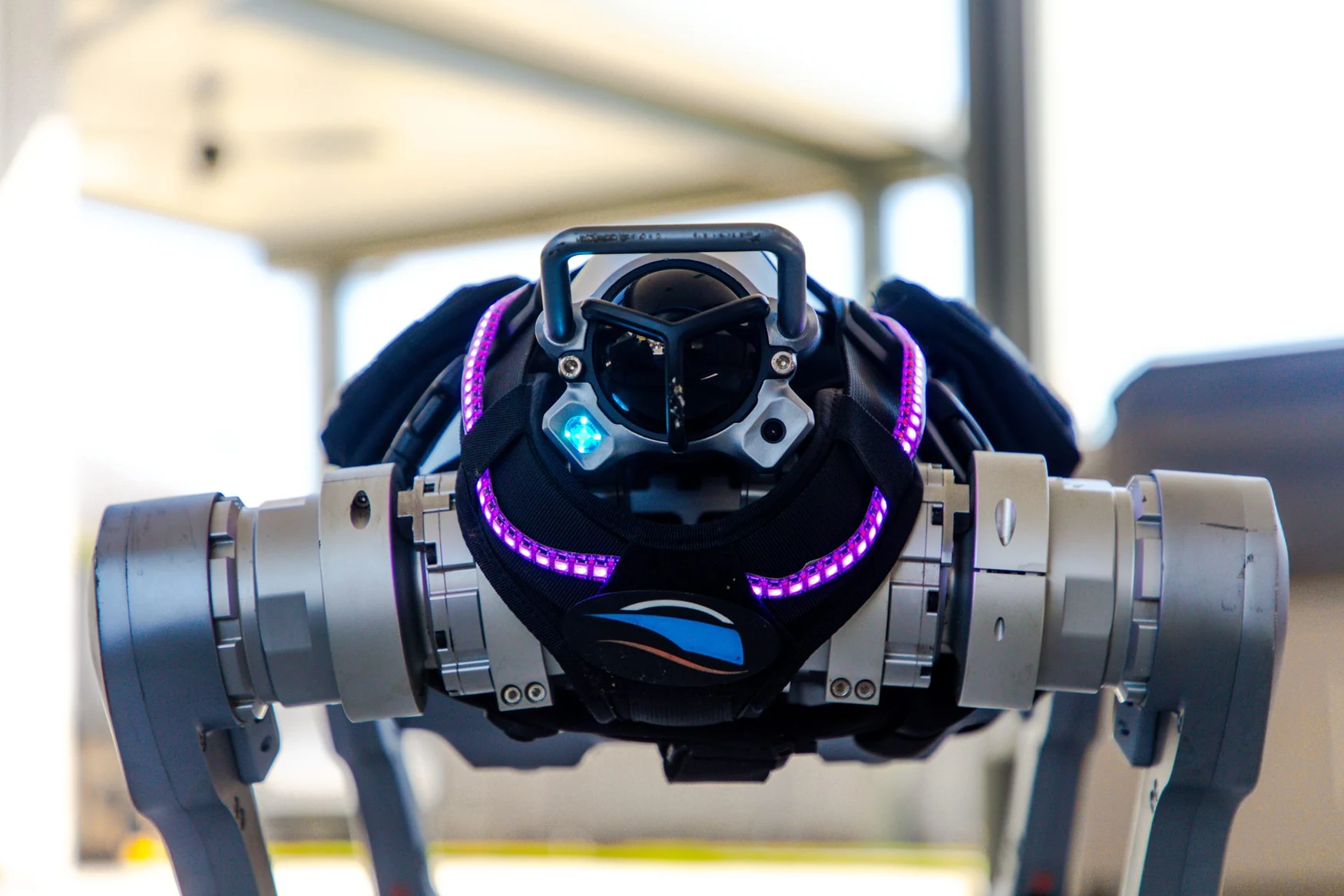
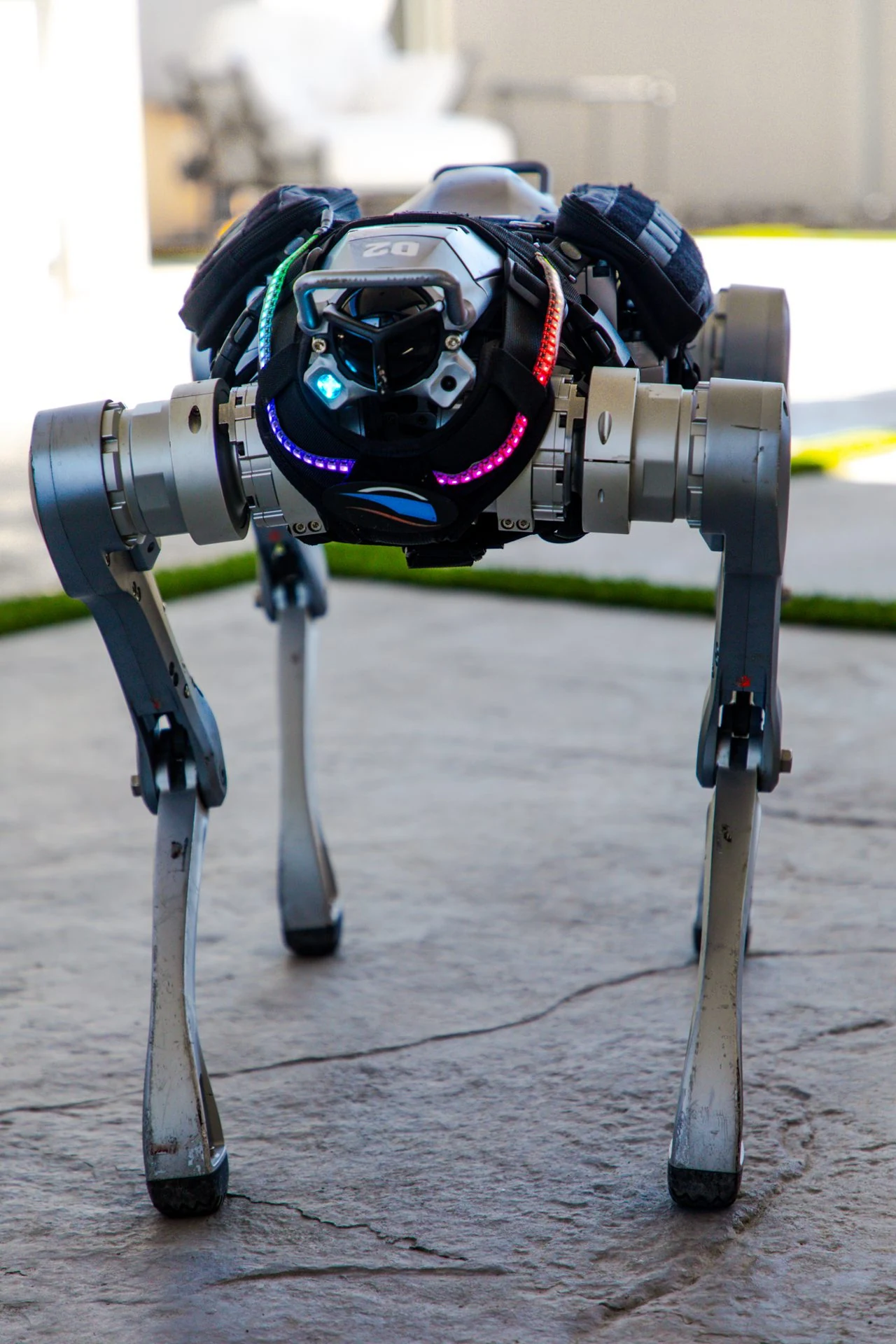
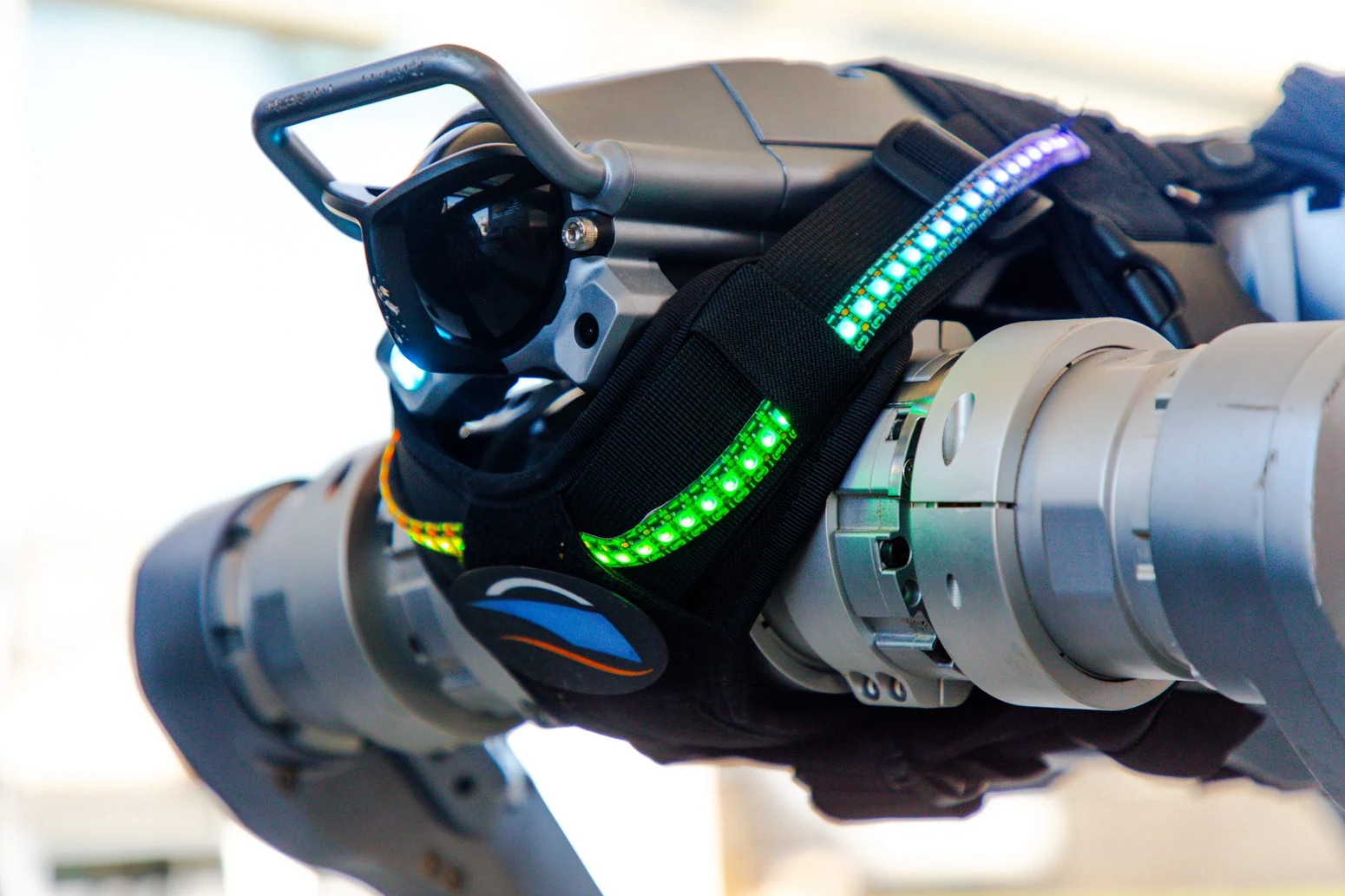
Skollar™ is CRLJ's visual communication accessory in active development, designed to make selected robot states and intent easier for people to recognize in real time.
Selected robot telemetry and defined states can be translated into intuitive, human-readable visual signals — helping people understand the machine without opening a dashboard or interpreting complex telemetry.
Idle / Standing (Waiting) — Powered and holding position.
Beyond human-readable communication, Skollar™ is being developed as part of CRLJ's broader trust architecture supporting monitoring, Security & Data Protection visibility and independently validated deployment.
Visual representation for demonstration purposes. Final signaling behavior depends on defined system configuration. Skollar™ communicates selected states reported by the robot platform; it does not provide safety ratings, emergency-stop functionality or collision avoidance. Capabilities described as developing are not currently commercially available.
Turn Complex Robot Behavior Into a Language People Can Read.
CRLJ begins with selected robot telemetry, maps defined conditions to human-readable signals, and presents those signals at the point of interaction.
- OEMRobot PlatformOEM control system
- OEMTelemetry / StateSelected state data
- CRLJCRLJ Communication LayerCondition mapped to signal
- CRLJSkollar™360° human-readable output
- HUMANHuman SignalInterpreted at the point of interaction
CRLJ is complementary to OEM control architecture. Skollar™ does not control robot movement or replace robot control systems.
Human Understanding Is the Beginning of Trust — Not the End.
Security cannot depend on a manufacturer grading its own work. CRLJ's trust architecture is designed to bring Human Understanding, Security & Data Protection, monitoring, and Independent Third-Party Validation together within a common framework for trusted robotics deployment.
Human Understanding
Current focusMake selected robot status and intent easier for people to recognize.
Security & Data Protection
DevelopingIncrease visibility into the data and security questions surrounding connected robotic systems.
Independent Third-Party Validation
DevelopingCreate a path for defined claims to be evaluated against documented evidence.
CRLJ Assured™
DevelopingDevelop a recognizable framework for communicating what has been evaluated.
CRLJ Assured™, independent validation and related assurance capabilities are developing programs and are not described as currently operational.
Make Robotics Easier to Understand. Make Trust Easier to Earn.
Broader robotics adoption will require more than better autonomy. It will require systems people can understand and organizations can evaluate with greater confidence.
- 01Understanding
- 02Security
- 03Independent Third-Party Validation
- 04CRLJ Assured™
- 05Trust
- 06Adoption
One Trust Layer. Multiple Paths to Deployment.
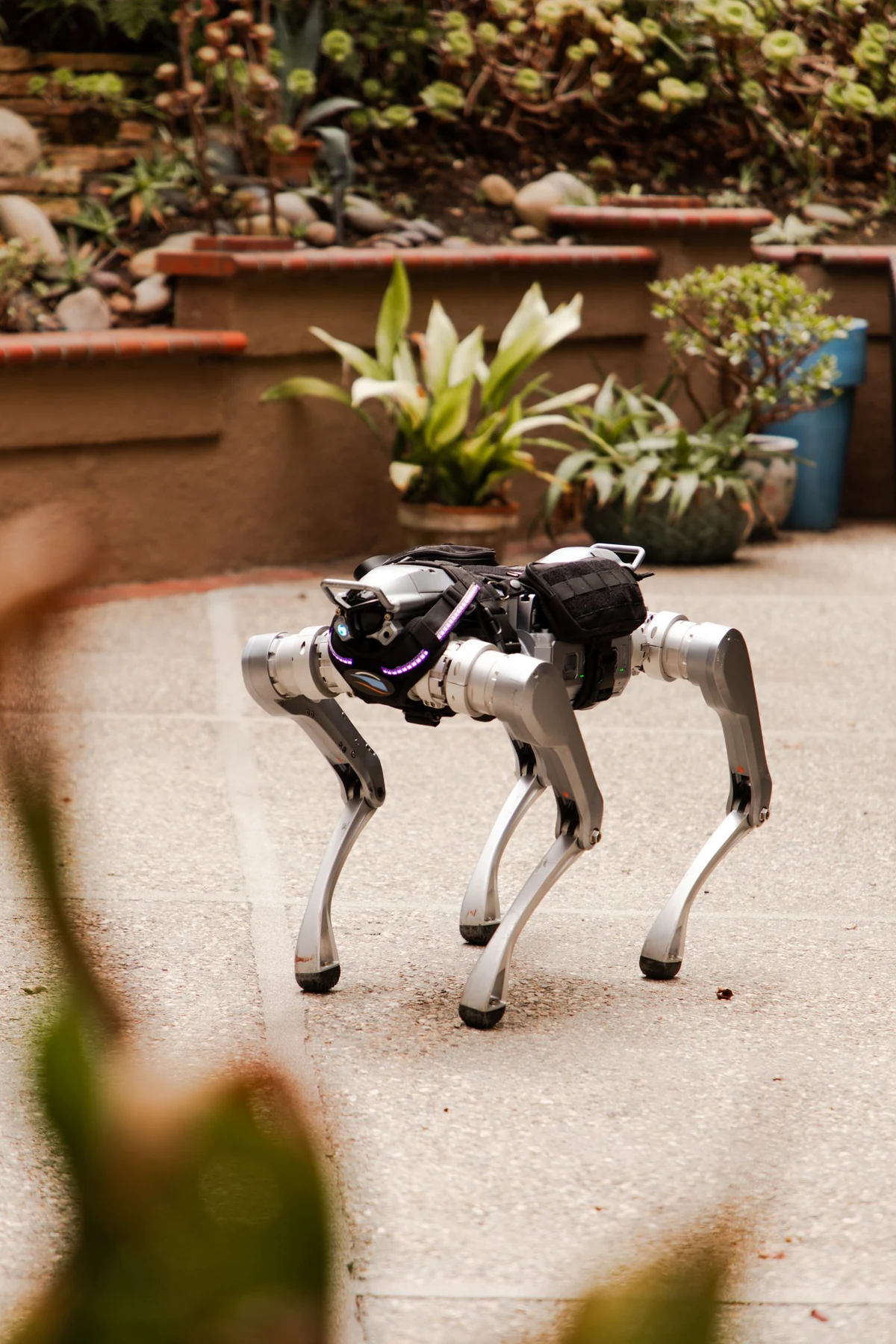
Trust Requirements Change With the Environment.
From government and defense to critical infrastructure, manufacturing and healthcare, every robotics environment creates different Human Understanding, Security & Data Protection, and operational trust requirements. CRLJ is developing a platform designed around common trust principles that can be evaluated within the context of each deployment.
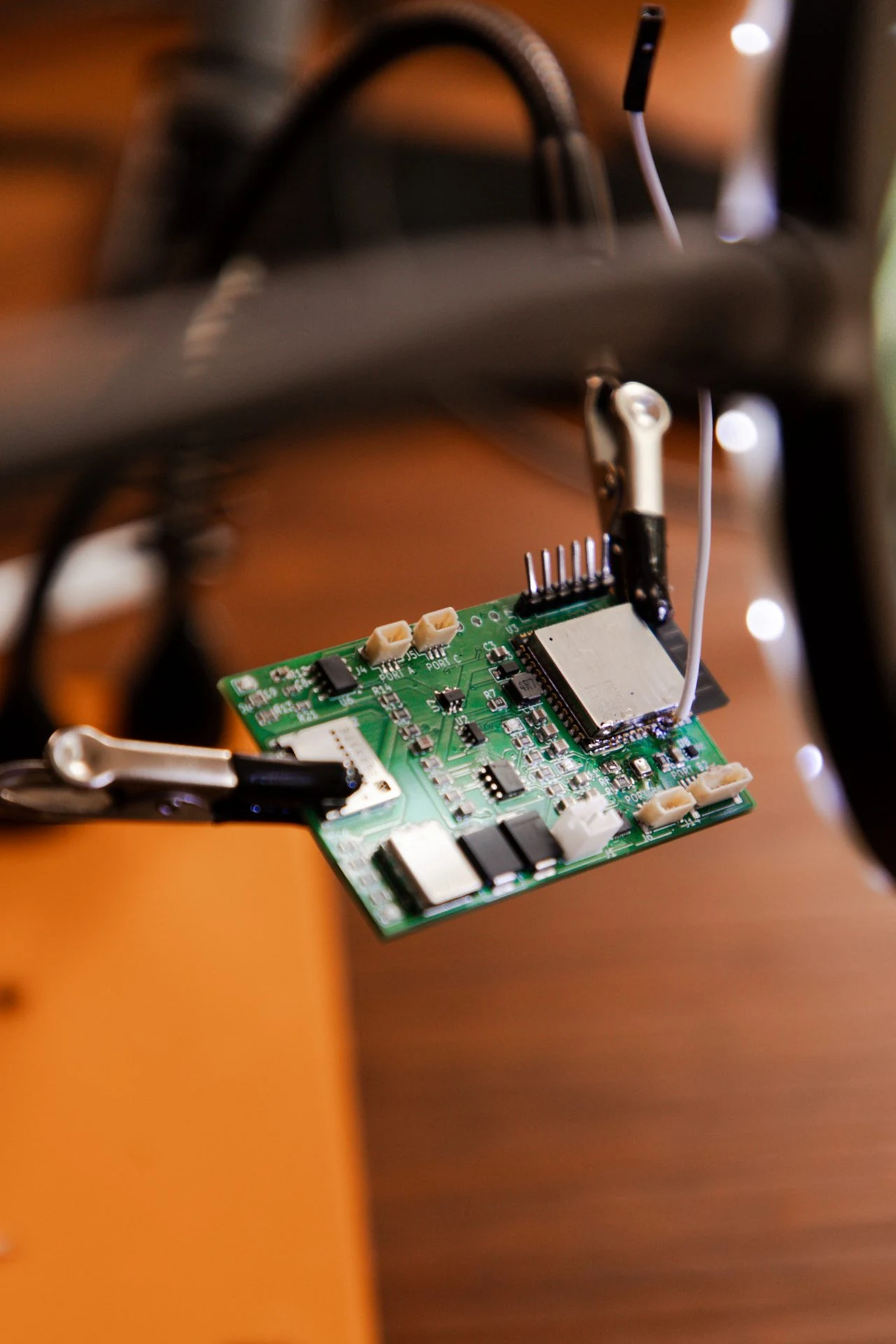
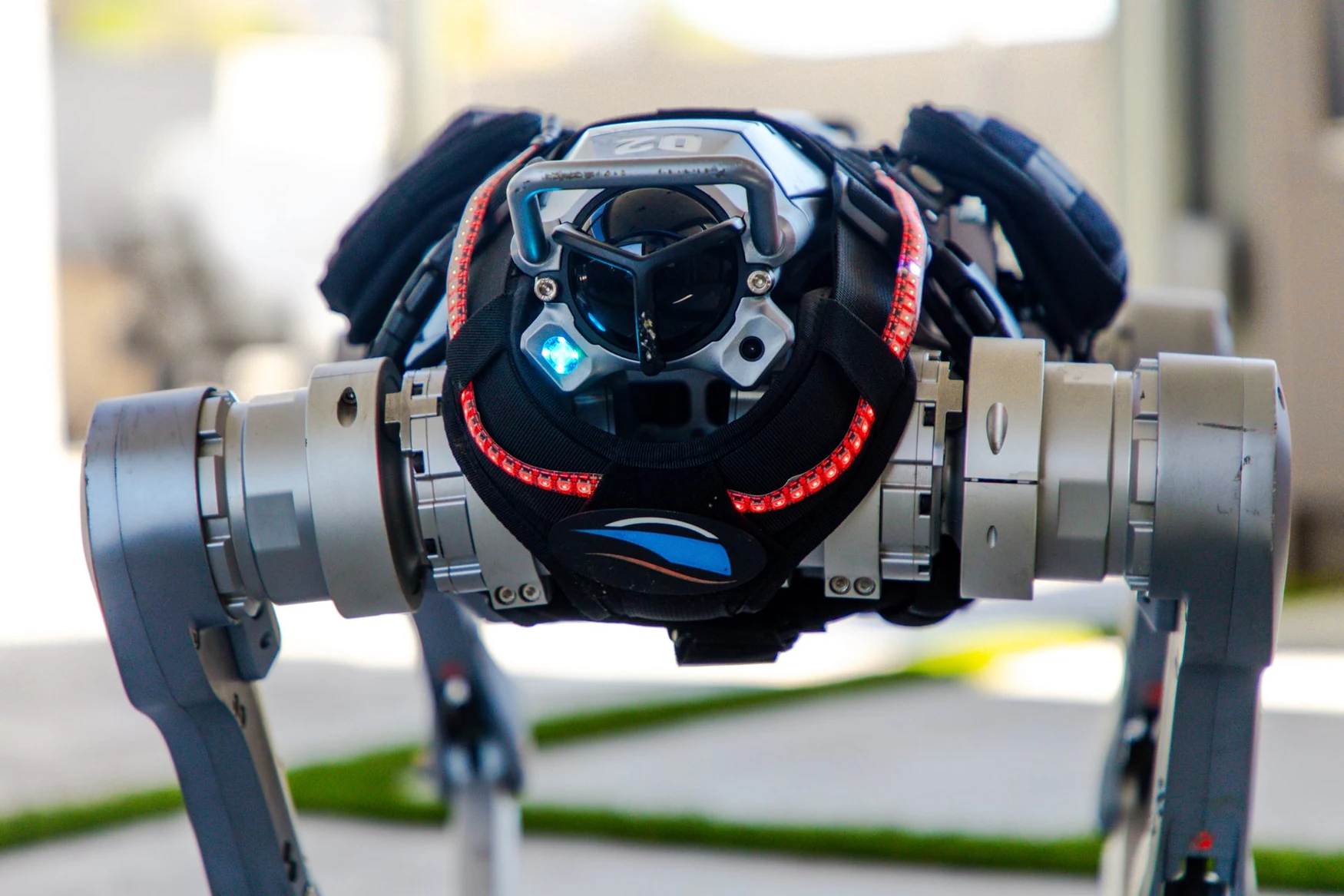
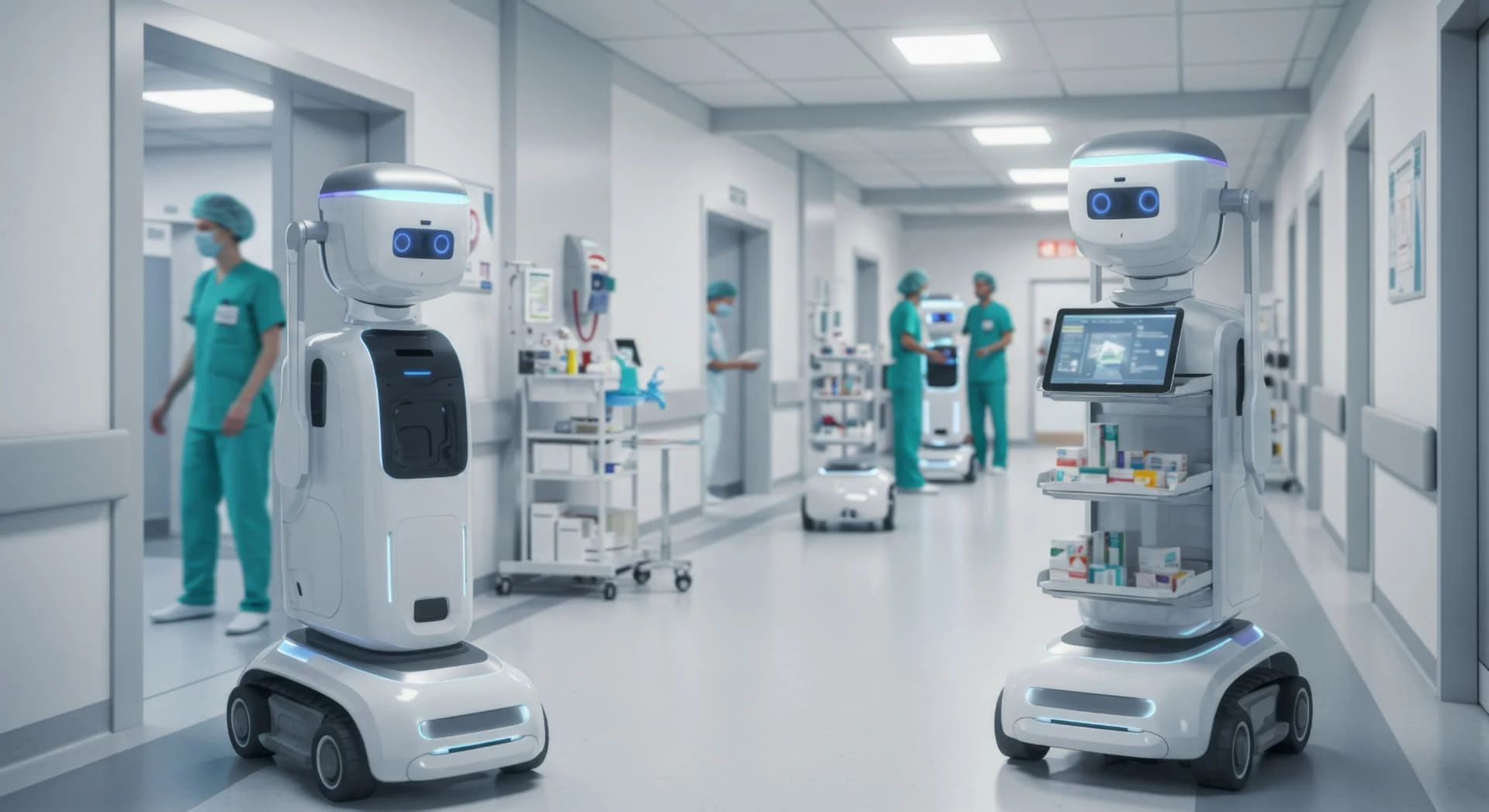
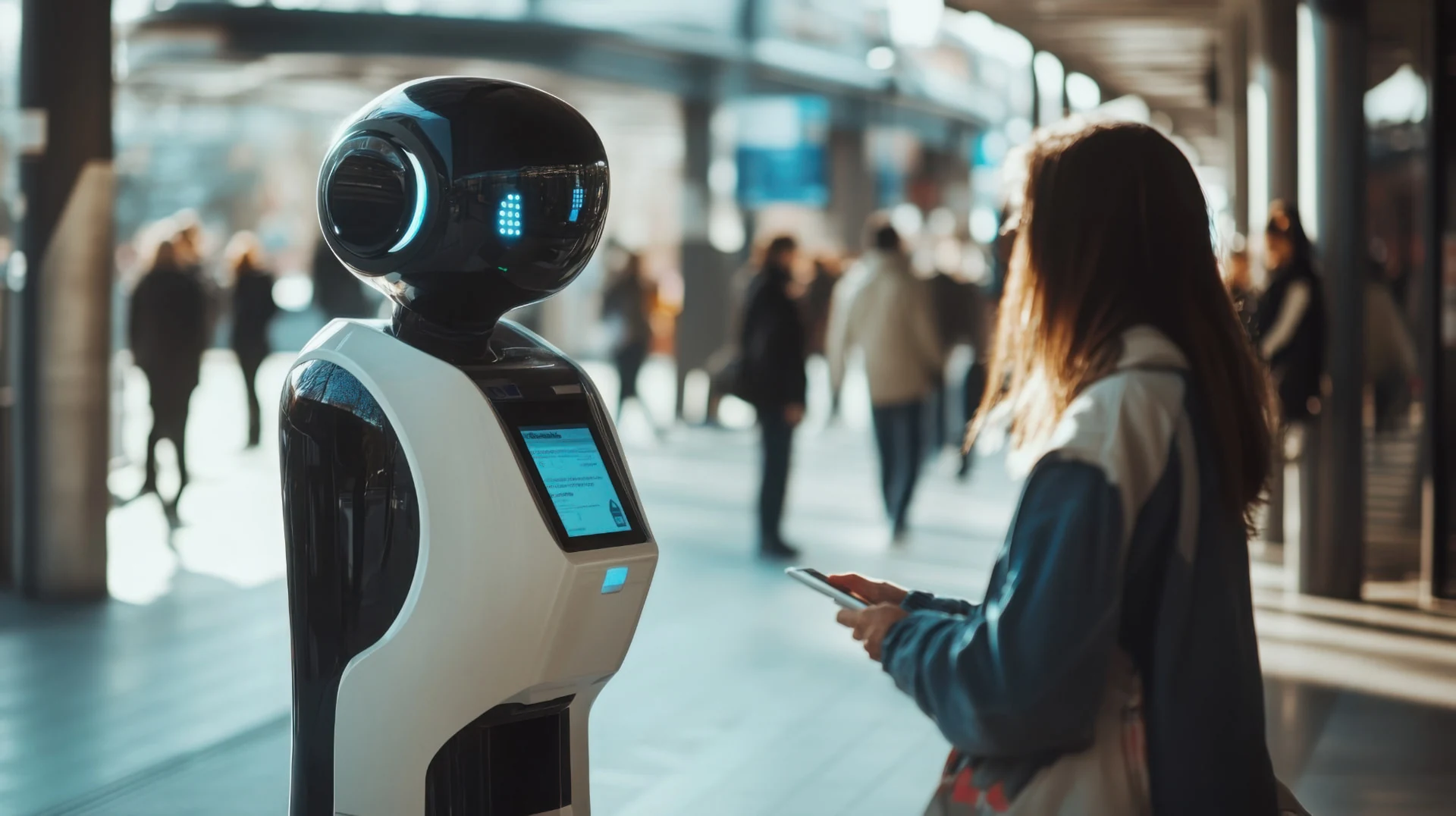
Environments shown are illustrative of where human-ready robotics considerations apply.
Security Is Becoming a Robotics Deployment Issue.
As autonomous systems become more connected and capable, they can see, hear, sense, collect, store, and transmit increasingly sensitive information about people, facilities and operations.
For government, defense, and critical infrastructure, robotics security is no longer simply an IT consideration. It is becoming a deployment, data-protection, supply-chain, and national-security consideration.
Organizations increasingly need to know not only whether a robot works — but whether sensitive information is secure and critical security claims have been independently validated.
- ThenIsolated automation behind fixed guarding
- Then / NowMobile robotics moving through facilities
- NowShared workspaces with people nearby
- NextHuman-centered environments where machines must be understood
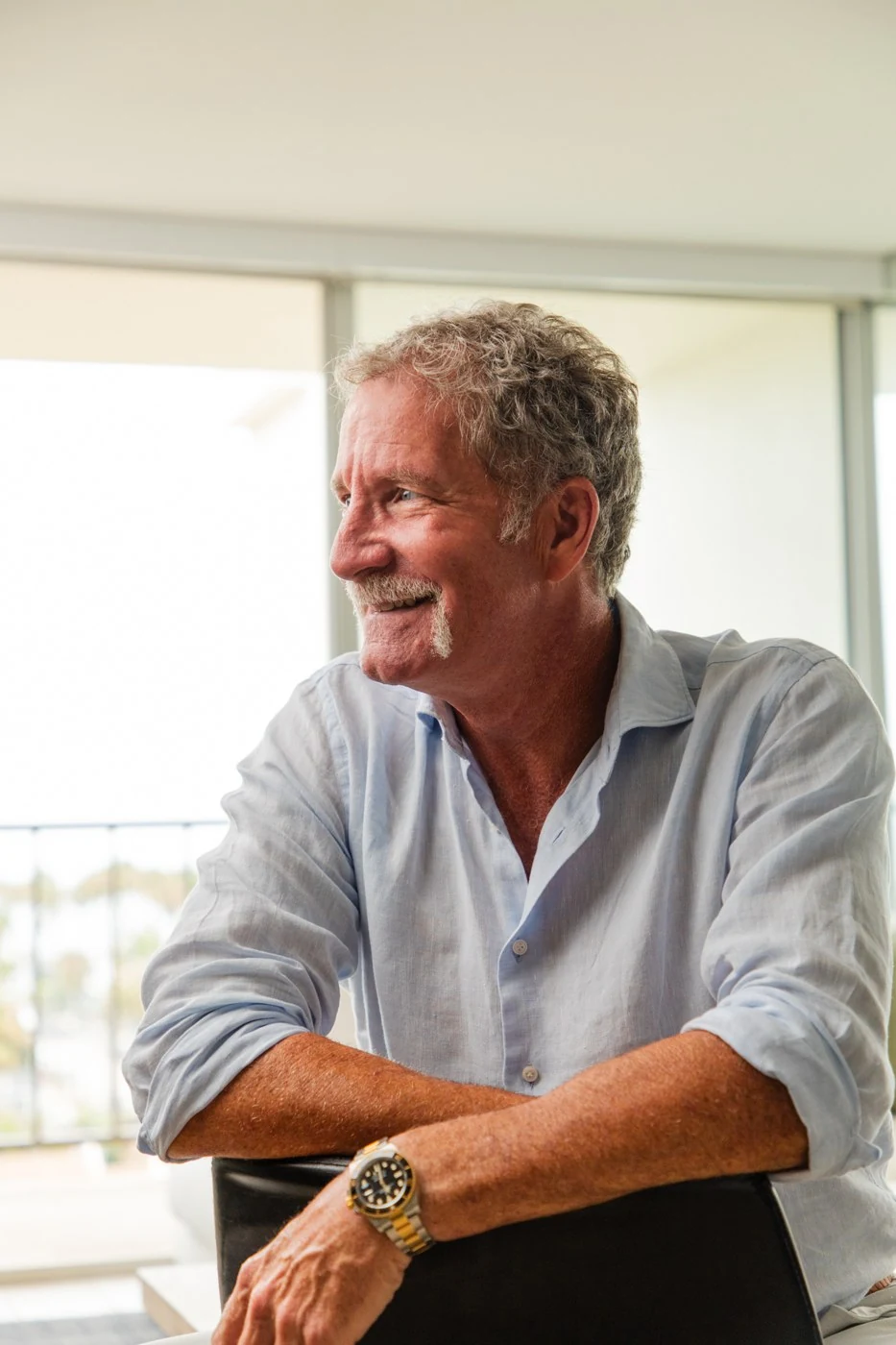

The future of robotics depends not only on what machines can do, but on whether people can understand and trust them.
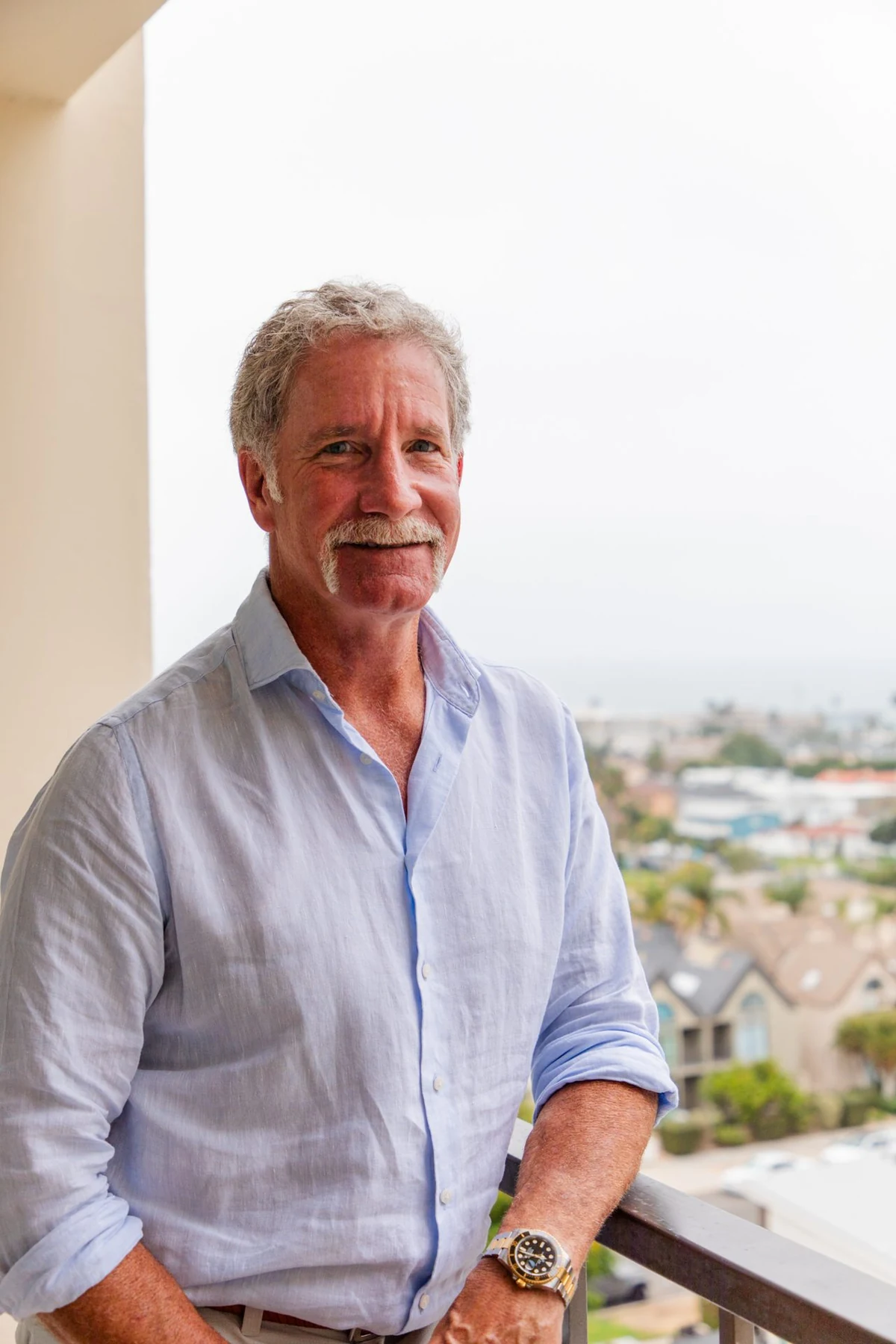
David Skillin founded Custom Robotics of La Jolla around a fundamental belief: the future of robotics depends not only on what machines can do, but on whether people can understand them, organizations can trust how they handle sensitive information, and critical claims can be independently validated.
Skollar™ in the Wild
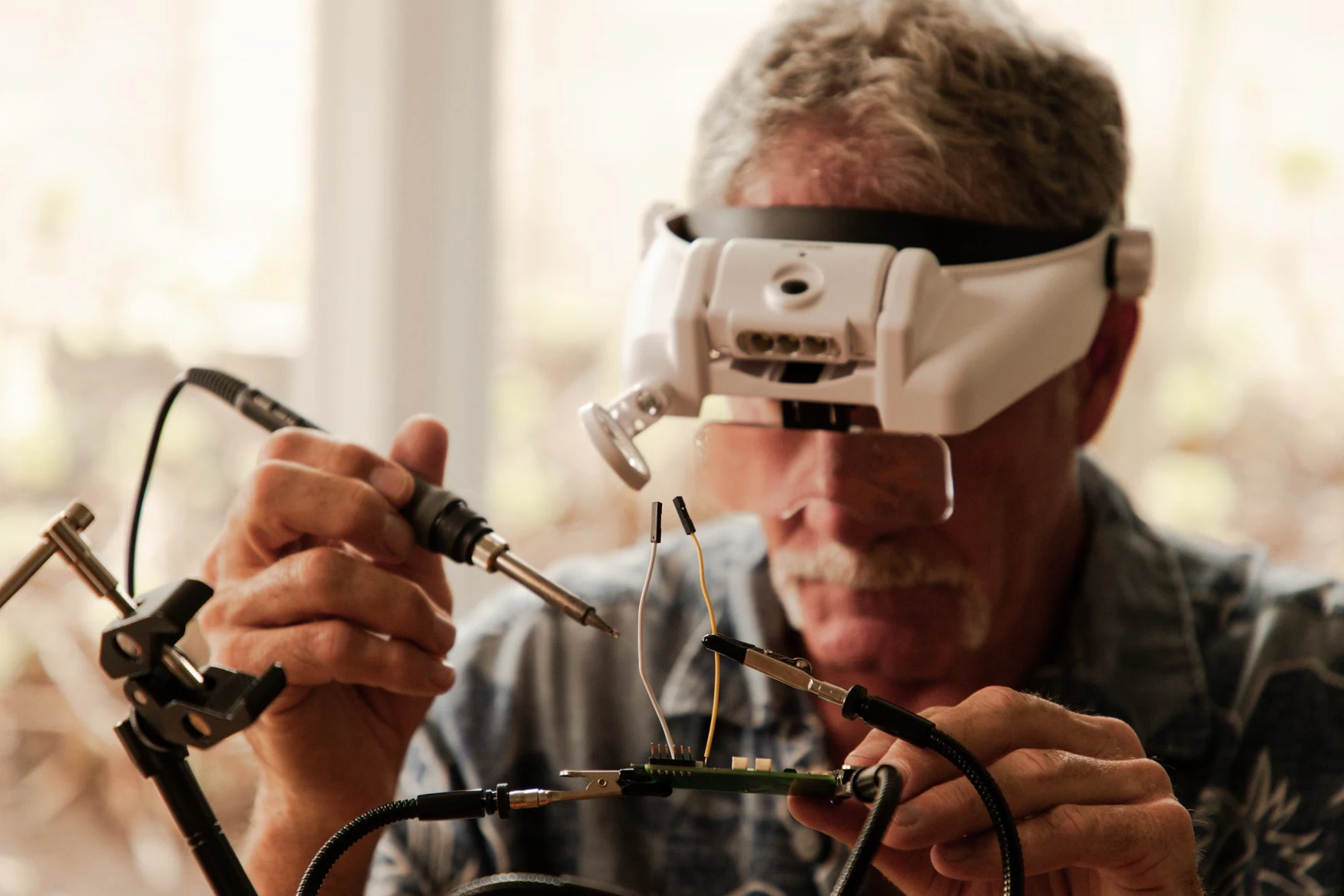
Follow Shasta and the CRLJ team as we bring robot communication into everyday settings.
Follow the Evolution of Human-Ready Robotics.
Research, perspectives and updates on human-robot interaction, robotics security, Security & Data Protection, Independent Third-Party Validation, robotics trust, and human-ready deployment.
Stay Connected to the Future of Human-Ready Robotics.
Loading form…
Alternatively, email info@customrobotics.io.
Help Define the Trust Layer Robotics Will Need.
CRLJ is seeking robotics OEMs, integrators, government and defense stakeholders, pilot environments, and strategic partners interested in testing Human Understanding, Security & Data Protection, and Independent Third-Party Validation in real-world robotics deployments.
Whether the goal is to evaluate Skollar™, explore integration, define a use case, conduct planned testing, or help shape the broader trust and validation framework, the next step is a focused conversation.
- OEM Integration
- Pilot Testing
- Human Understanding Research
- Security & Data Protection Evaluation
- Independent Validation
- Assurance Collaboration