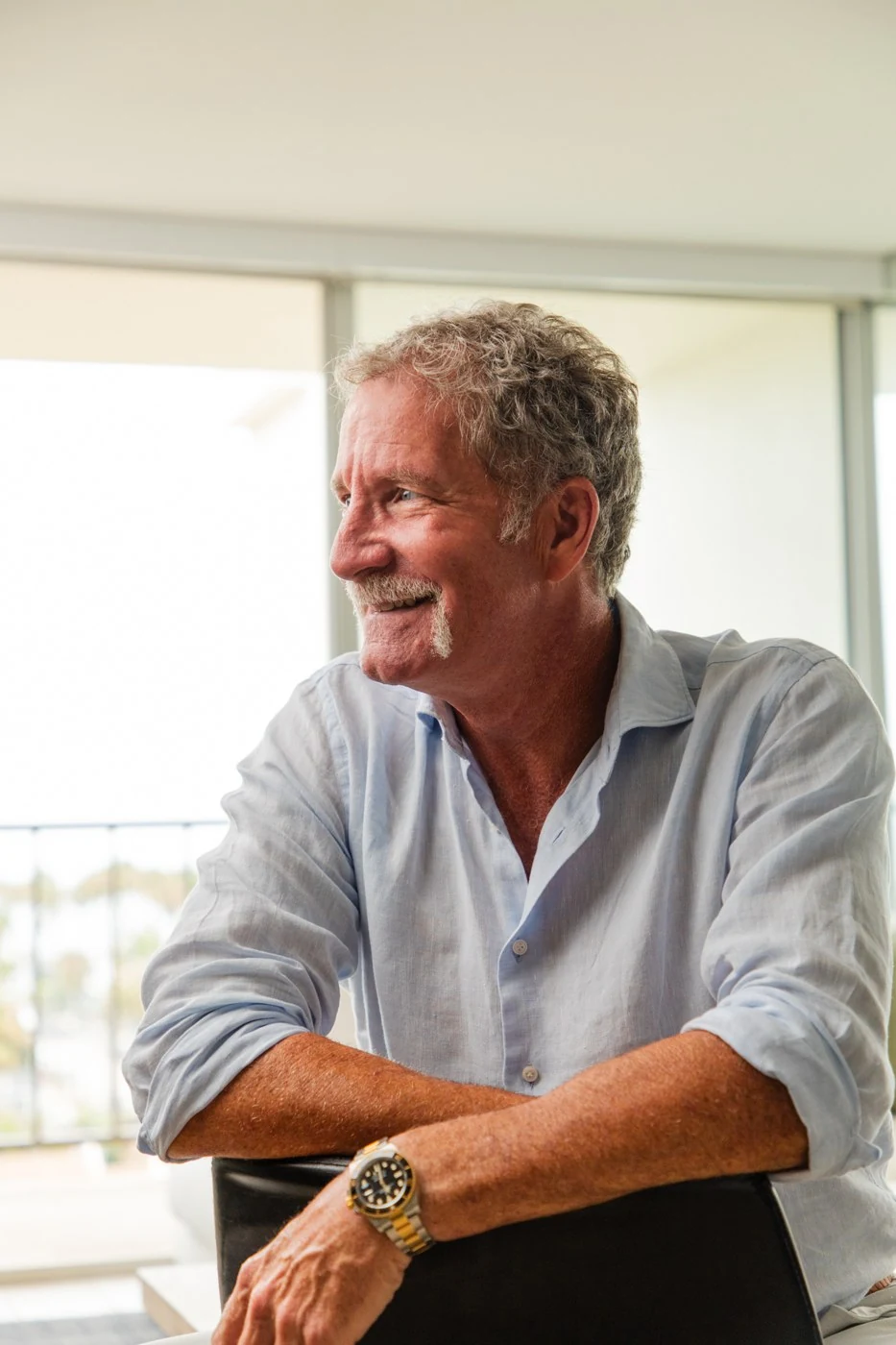
Dave Skillin
Inventing With Humanity in Mind.
Across a medical career, a patented safety invention, and now Custom Robotics of La Jolla, one question keeps coming back:
What happens when something goes wrong?
It is the question behind a backup for an artificial heart, and the question behind Skollar™ — helping people understand what a robot is about to do.

It Started With a “Pop.”
Dave's grandfather, William P. White, founded the White Cap Company and is associated with the Vapor Vacuum sealing system.
Open a vacuum-sealed jar and you hear it: a small “pop” that tells you, instantly, that the seal held. No manual. No expertise. Just technology telling a person something important.
That idea is closer to Dave's work today than you might think.
- Vapor Vacuum sealing system
- Signal: the familiar “pop” on opening
- Meaning: the seal was intact
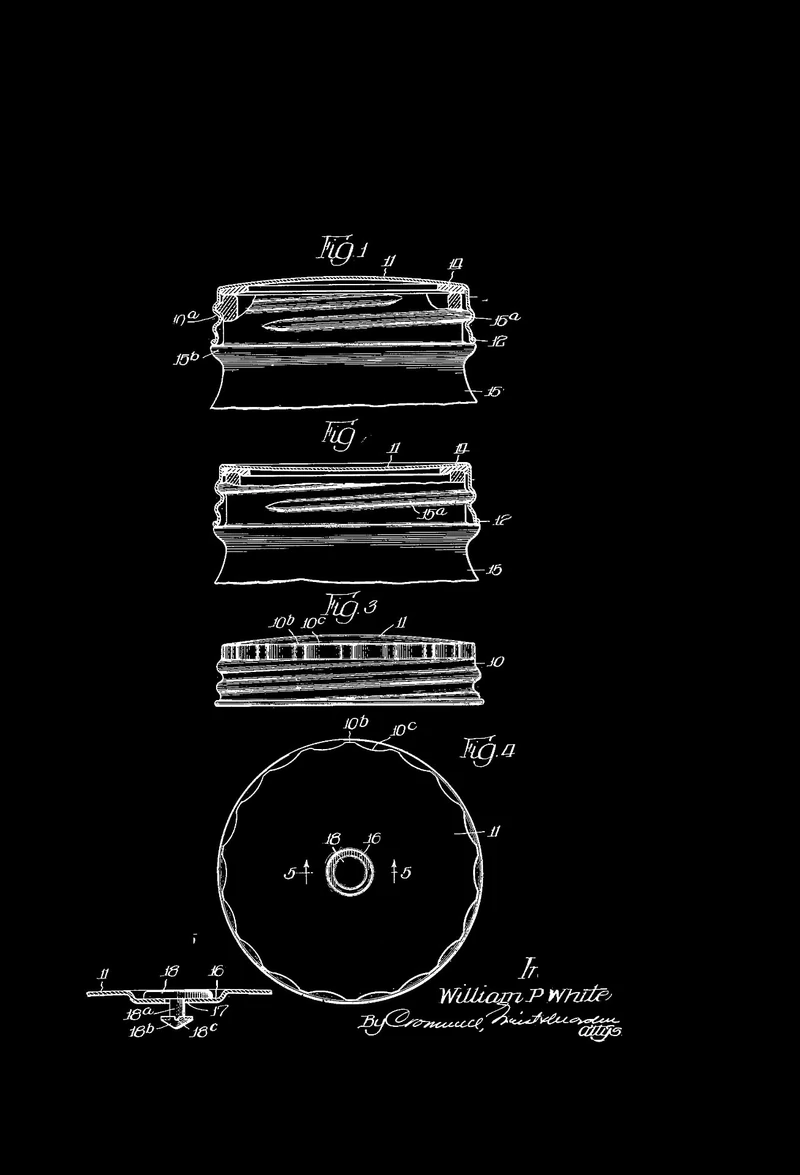
U.S. Patent 2,339,827
“Closure Cap and Package”
When a Life Depends on It, “It Works” Isn't Enough.
Dave spent approximately four decades in medical environments and cardiovascular care — places where technology is personal, because a person is depending on it.
That work shaped a mindset he still carries into CRLJ.
Technology cannot simply work. People need to be able to trust what happens when it doesn't.
A Backup for an Artificial Heart.
While working around the Jarvik artificial heart, Dave saw a need: a mechanical, manual way to keep things going if the primary drive system became unavailable.
That led to his patented mechanical manual backup drive.
See the vulnerability.
Understand the human consequence.
Build the safeguard.
- Context: Jarvik artificial heart
- Risk: primary drive system unavailable
- Safeguard: mechanical / manual backup
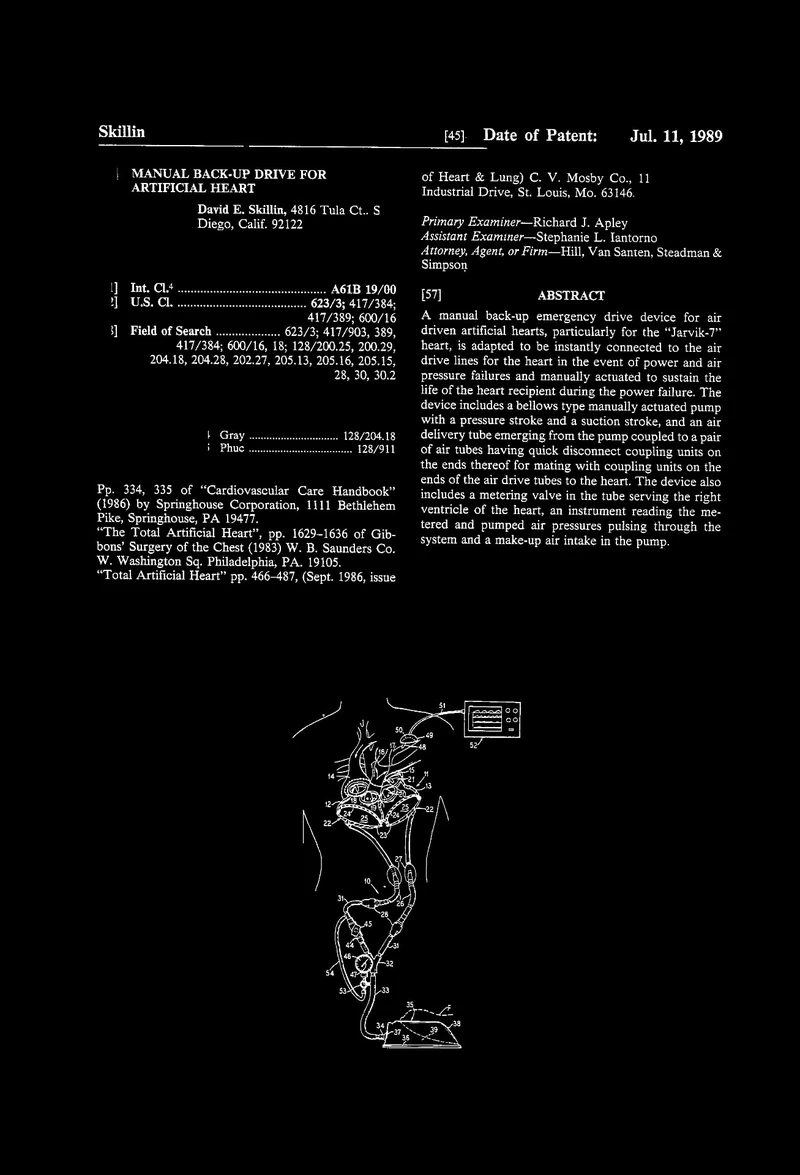
U.S. Patent 4,846,831
A Builder by Nature.
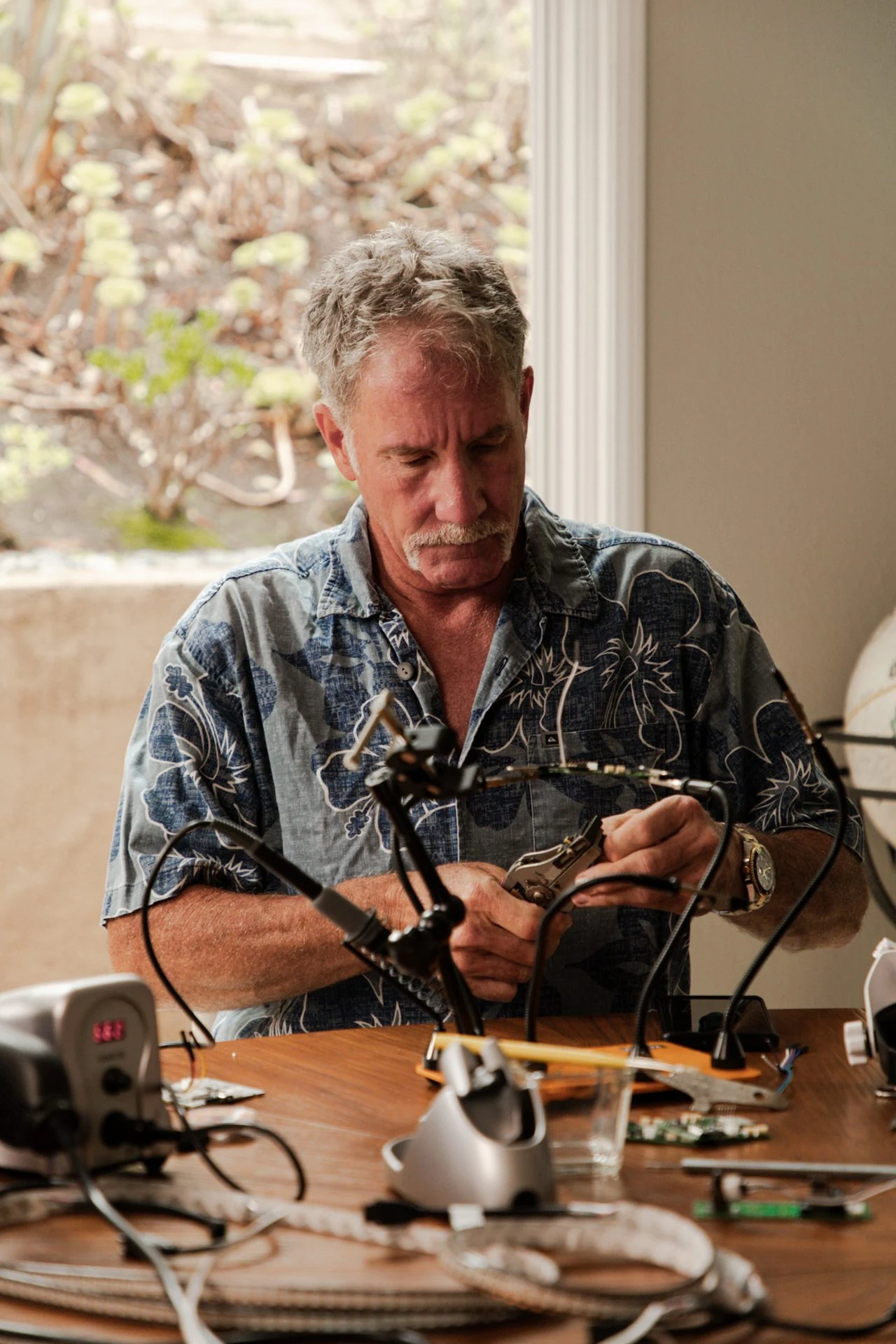
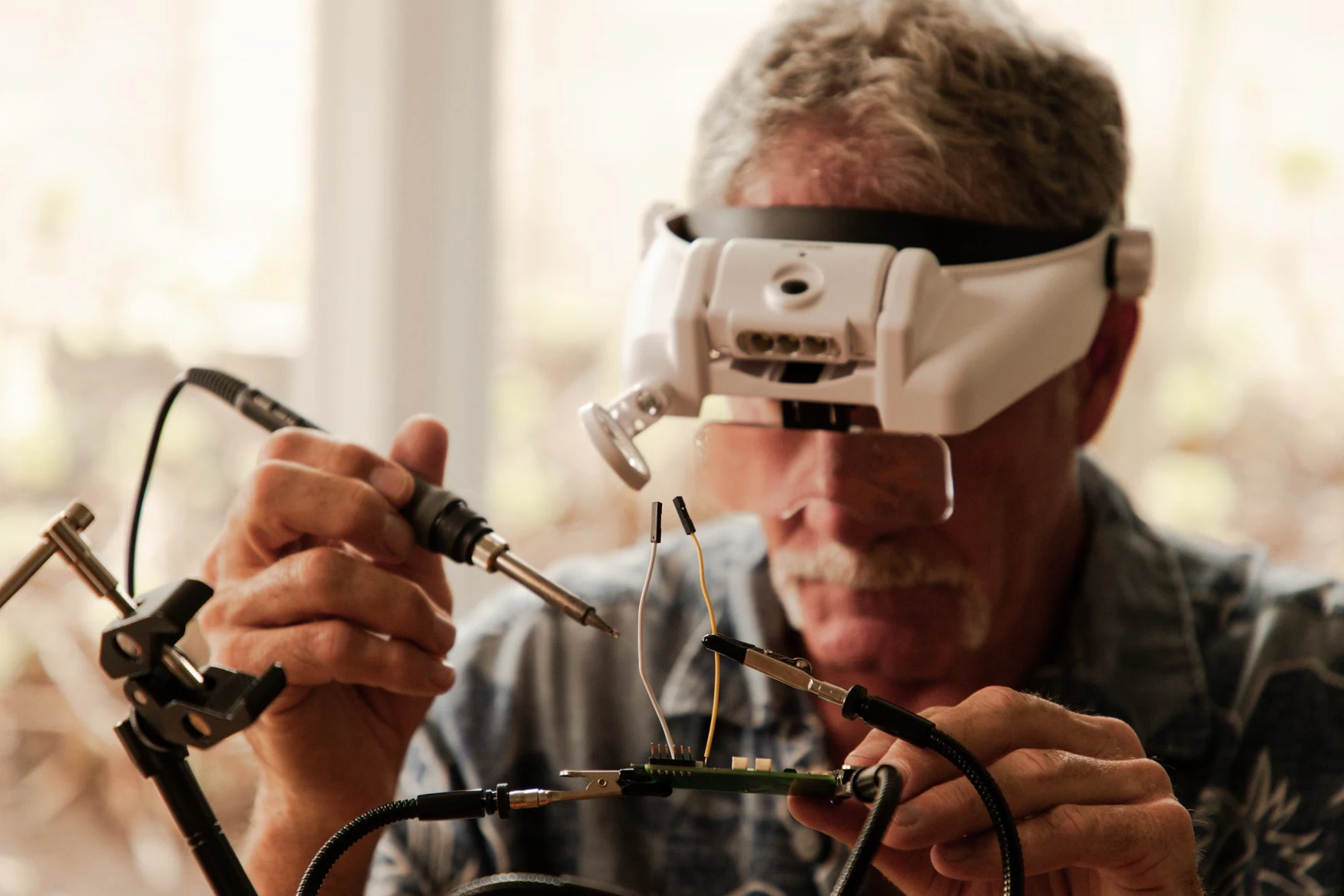
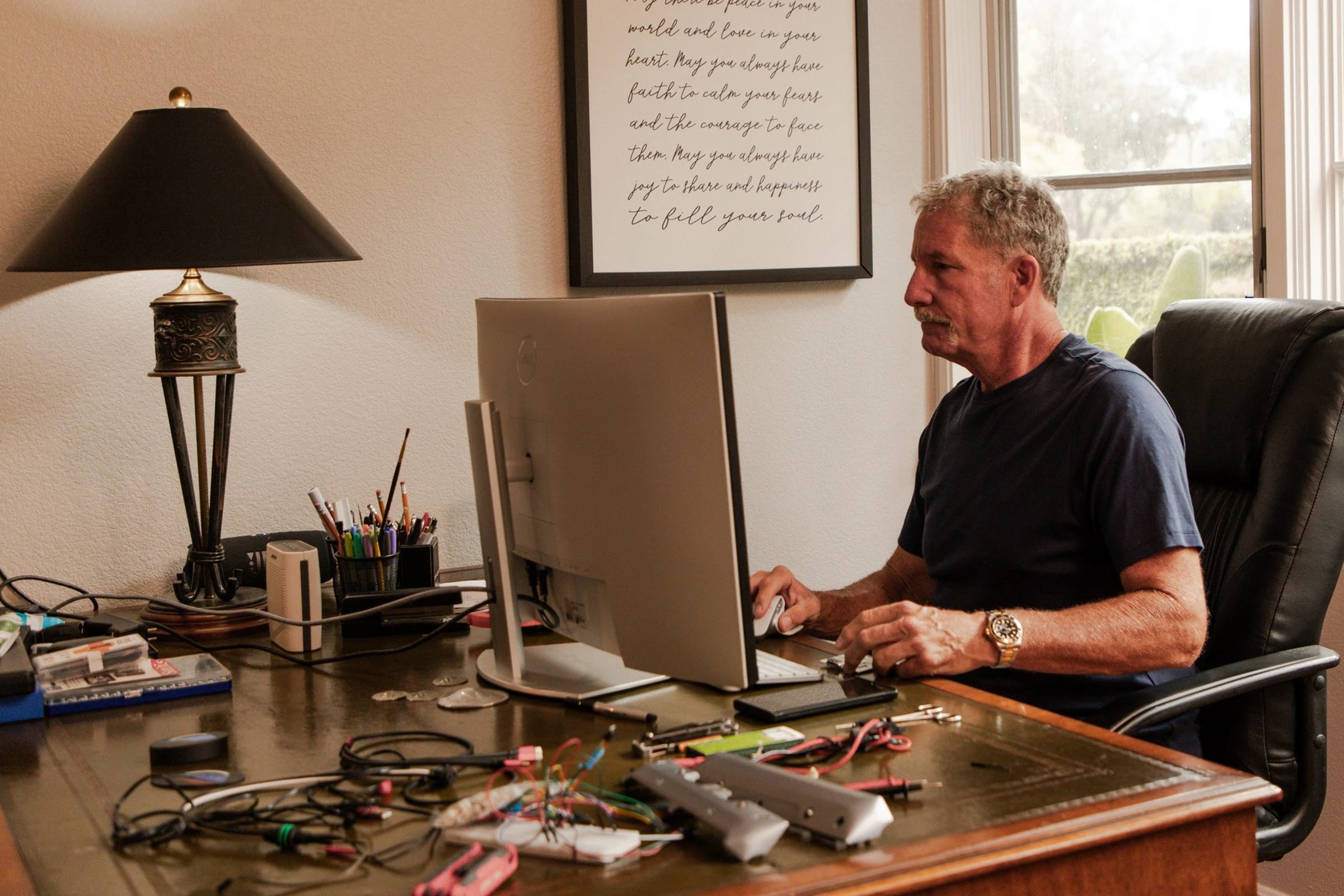
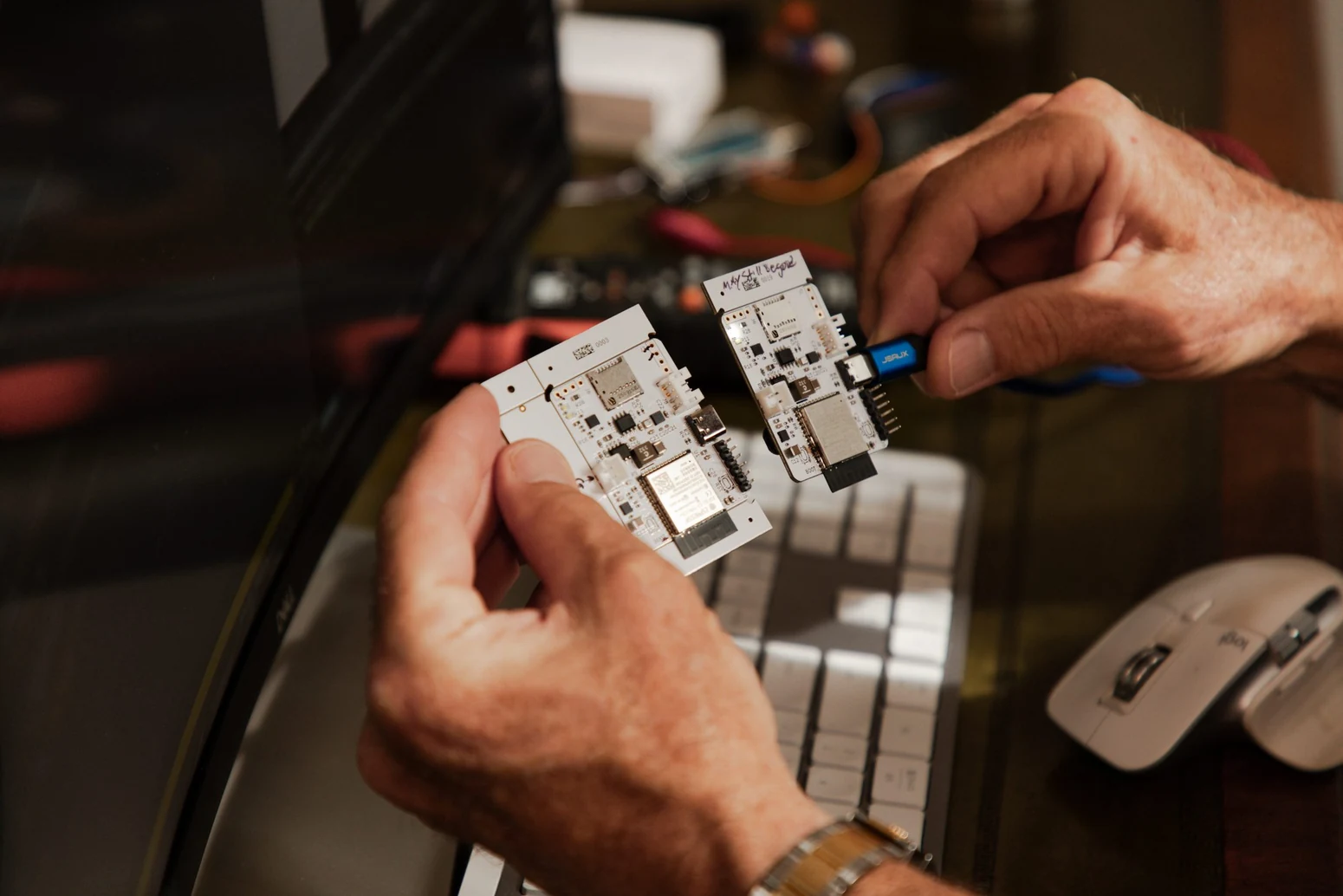
Dave builds, fixes, experiments and wants to know how things work. He rebuilt a house — framing, electrical, plumbing, drywall, concrete — and these days the tools include 3D printers, 3D scanners, and CAD.
At CRLJ, that means ideas get prototyped with his own hands, not just drawn on a whiteboard.
Robots Were Learning to Understand People. People Couldn't Understand Robots.
CRLJ began with robot customization. But Dave kept noticing a bigger problem: robots were getting better at understanding their surroundings, while the people around them still had no intuitive way to understand the robot.
- Does it see me?
- Is it stopping?
- Is it about to turn?
- Is it safe to approach?
- What will it do next?
Answering those questions is the job of The Empathy Layer for Robotics™.
Different Technologies. The Same Human Problem.
White Cap
Seal → Human Signal
Artificial Heart
Automation → Human Safeguard
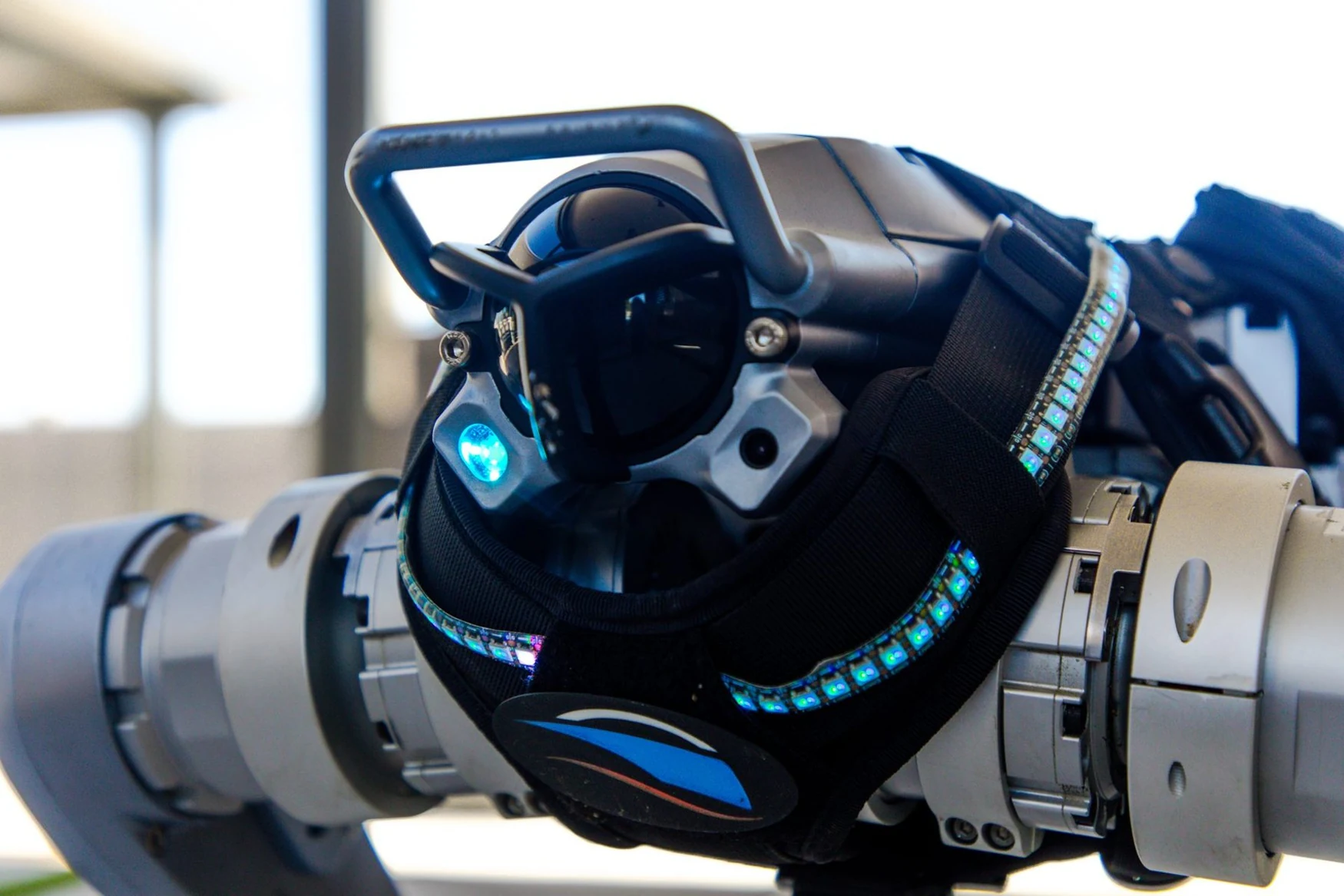
Skollar™
Robot Intent → Human Understanding
These technologies aren't equivalent. The philosophy is the same: technology becomes more useful when people can understand it, verify it, and trust it.
Skollar™ Is the Beginning. Human Understanding Is the Mission.
Skollar™ is CRLJ's first product, not the whole story. Dave's vision is The Empathy Layer for Robotics™ — a way for robots made by others to communicate intent to the people around them.
CRLJ doesn't build the robots. It helps people understand them.
Using Humanity to Foster Robotics™
Nobody should have to become a robotics expert just to understand what the machine next to them intends to do.
A seal you could hear. A heart with a human backup. A robot whose intent you can read.
Serious Mission. Not Always a Serious Guy.
Dave is curious, mechanically minded, and still can't resist taking something apart to see how it works. He'll talk robotics for as long as you'll let him — and he laughs at himself along the way.
He takes the mission seriously. Himself, less so.
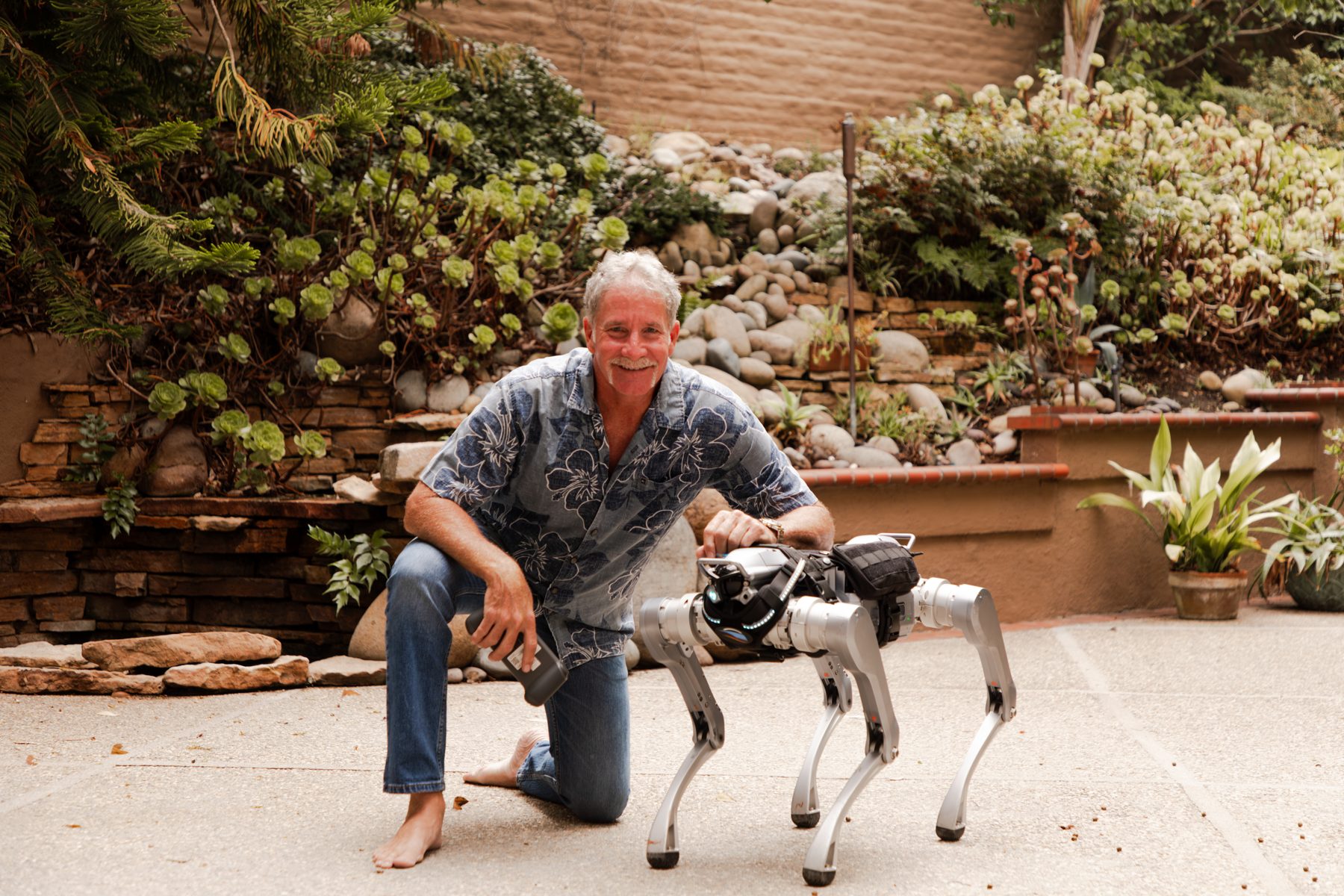
These days that includes testing Skollar™ out in the real world with a quadruped named Shasta. Meet Shasta →