
Skollar™
The First Physical Expression of The Empathy Layer for Robotics™.
Skollar™ translates selected robot states and intent into intuitive, human-readable visual signals so people can better understand what autonomous systems are doing in real time.
Think of it as turn signals for robots, brake lights for automation, and vital signs for autonomous systems.
Beyond human-readable communication, Skollar™ is being developed as part of CRLJ's broader trust architecture supporting monitoring, Security & Data Protection visibility, and independently validated deployment.
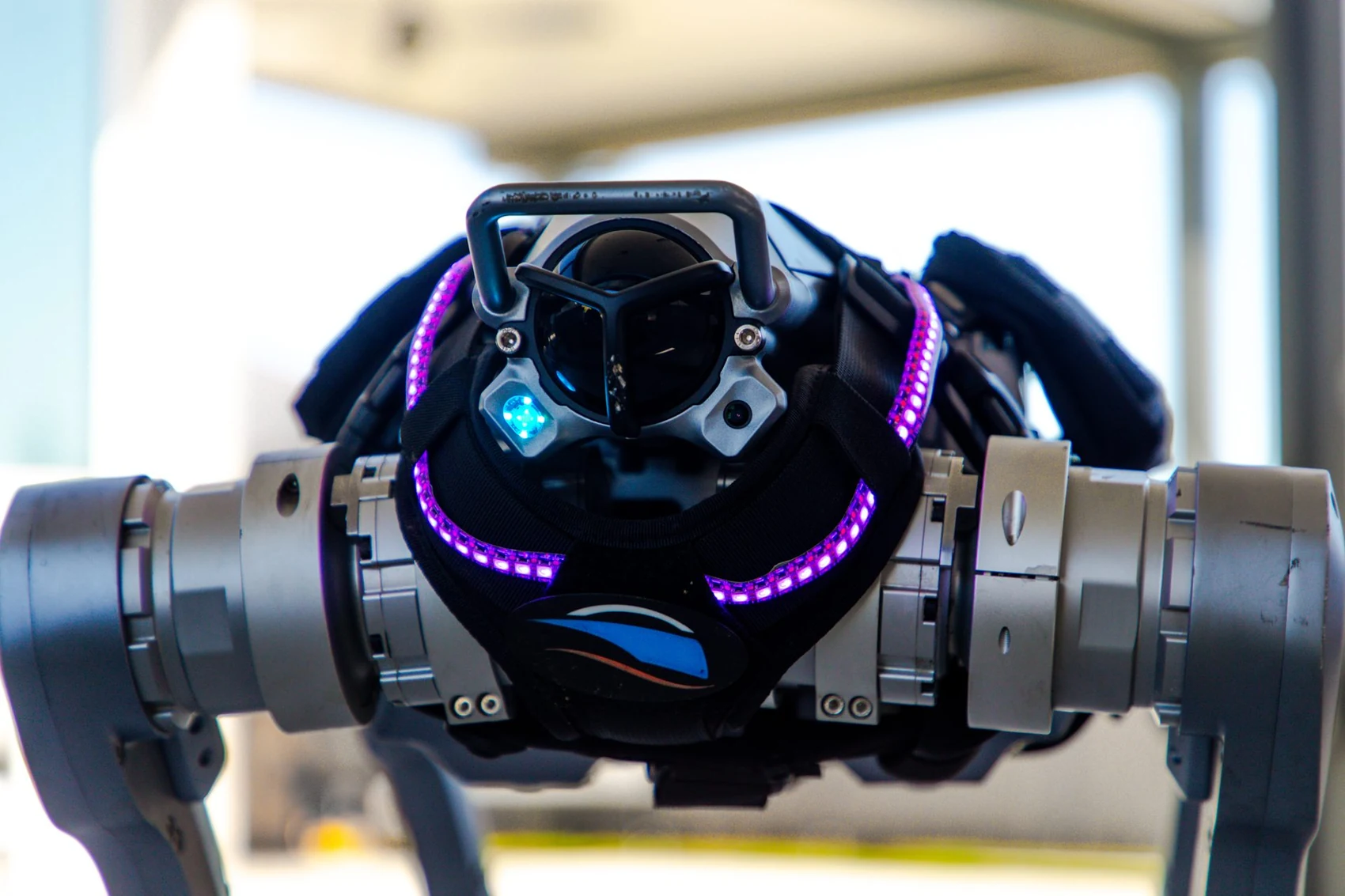
One Robot. One Skollar™. Clearly Different Signals.
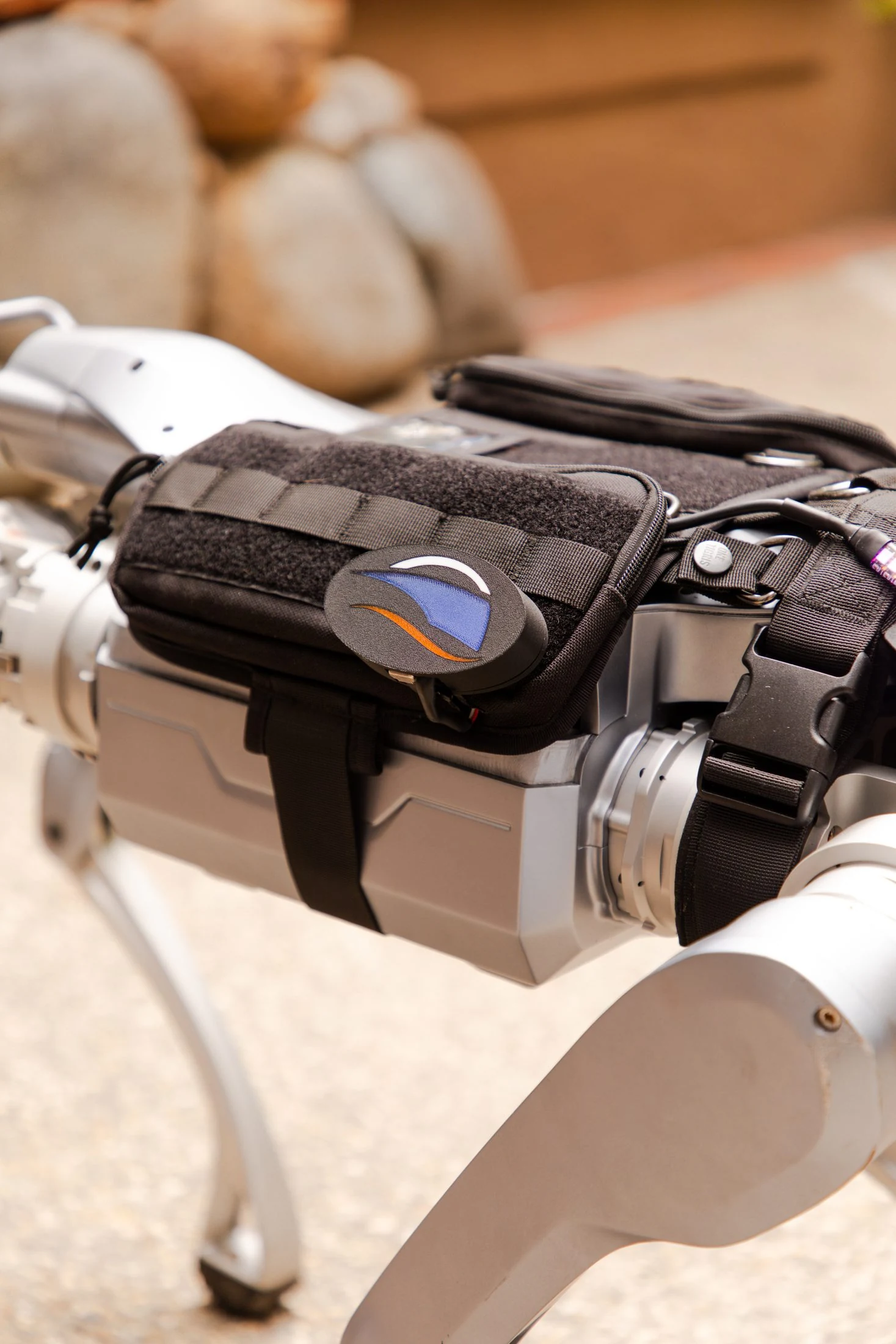
The same Skollar™ unit, photographed from the same angle on CRLJ's quadruped test platform, displaying visually distinct signal states.
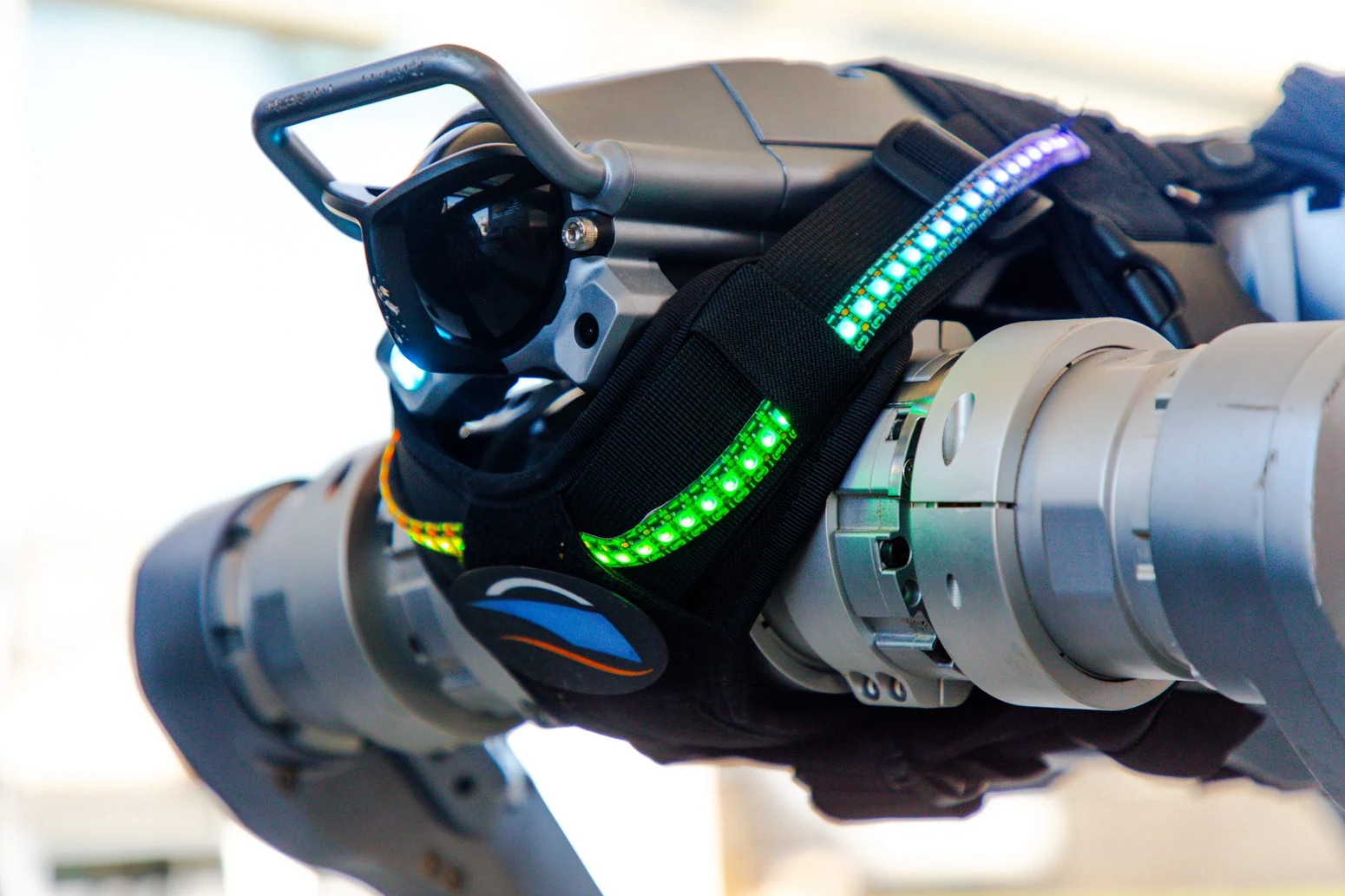
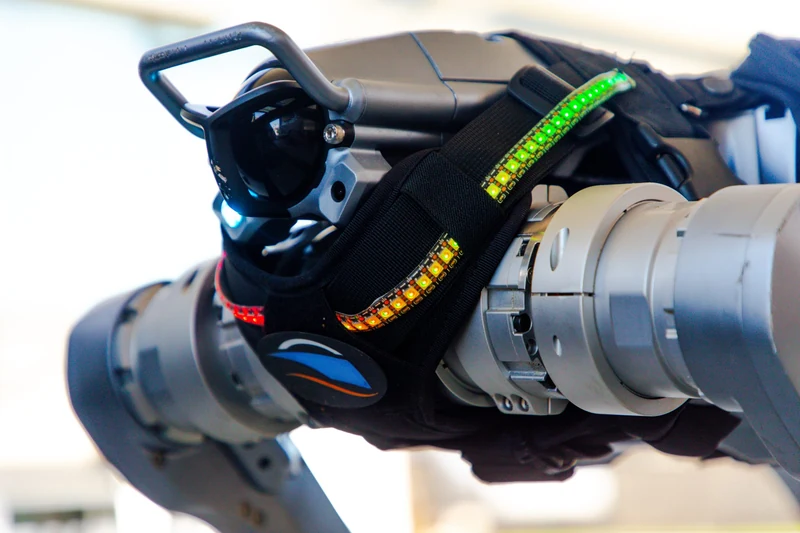
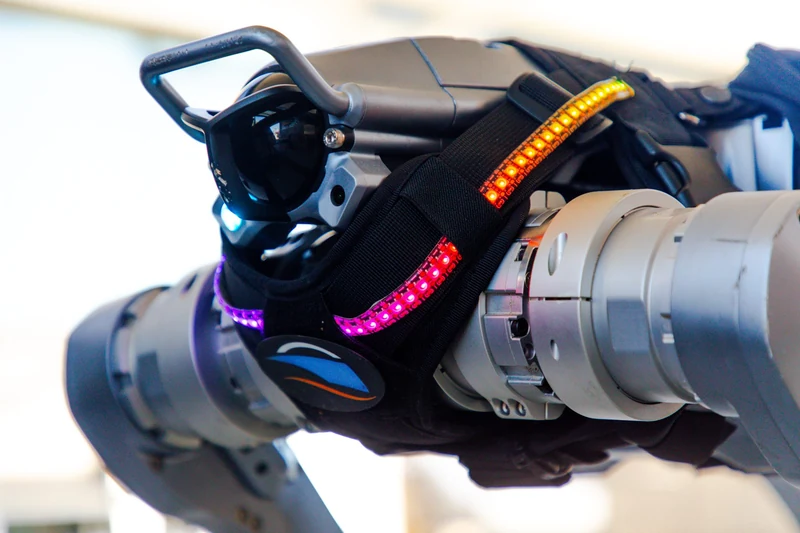
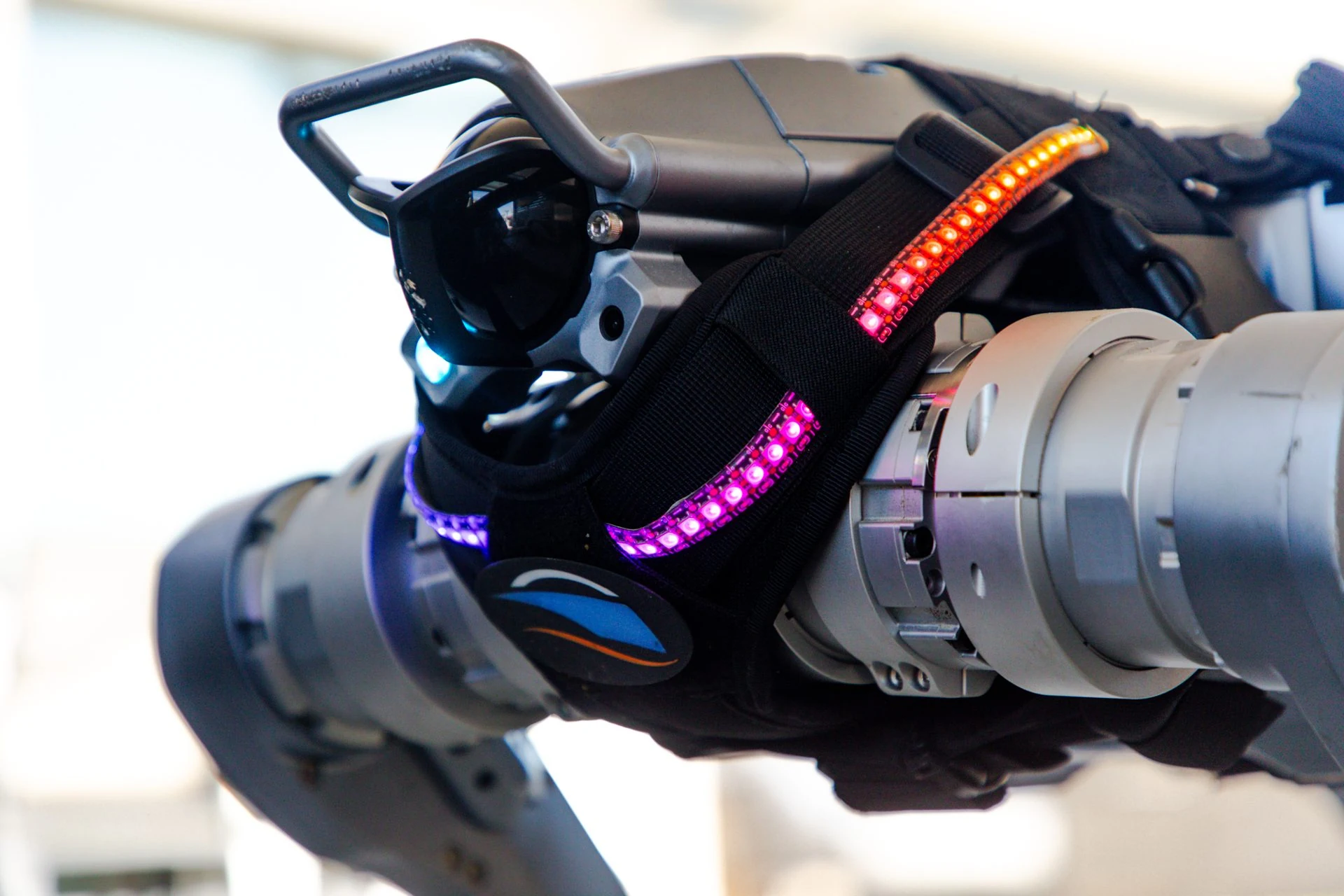
See Skollar™ in Action
See Skollar™ displaying visually distinct signals on a moving quadruped test platform.
The Robot Knows. The Human Doesn't.
Robots process enormous amounts of information internally. But someone standing nearby may still not know whether the robot is moving, turning, reversing, stopping — or experiencing a fault.
Skollar™ makes selected robot states visible at the point where they matter most: on the robot itself.

Robot state is not externally communicated.

Robot state is communicated through a human-readable signal.
Conceptual visualization
Machine State → Human Understanding
Skollar's current MLP is designed around non-invasive telemetry integration and local signal logic so the light system can continue operating independently of internet connectivity.
- 01Robot TelemetryNon-invasive integration with platform state data
- 02State ClassificationTelemetry mapped to defined operating states
- 03Skollar™ Signal LogicLocal logic selects the corresponding signal
- 04Visual CommunicationSignal presented on the robot itself
- 05Human RecognitionInterpreted at the point of interaction
Clear States. Clear Meaning.
Select a state to see how Skollar™ represents it. States reflect the current MLP state model.
Powered and holding position.
Signal representation shown for illustration. Final signaling logic follows CRLJ's approved specification.
No Dashboard Required to Read the Signal.
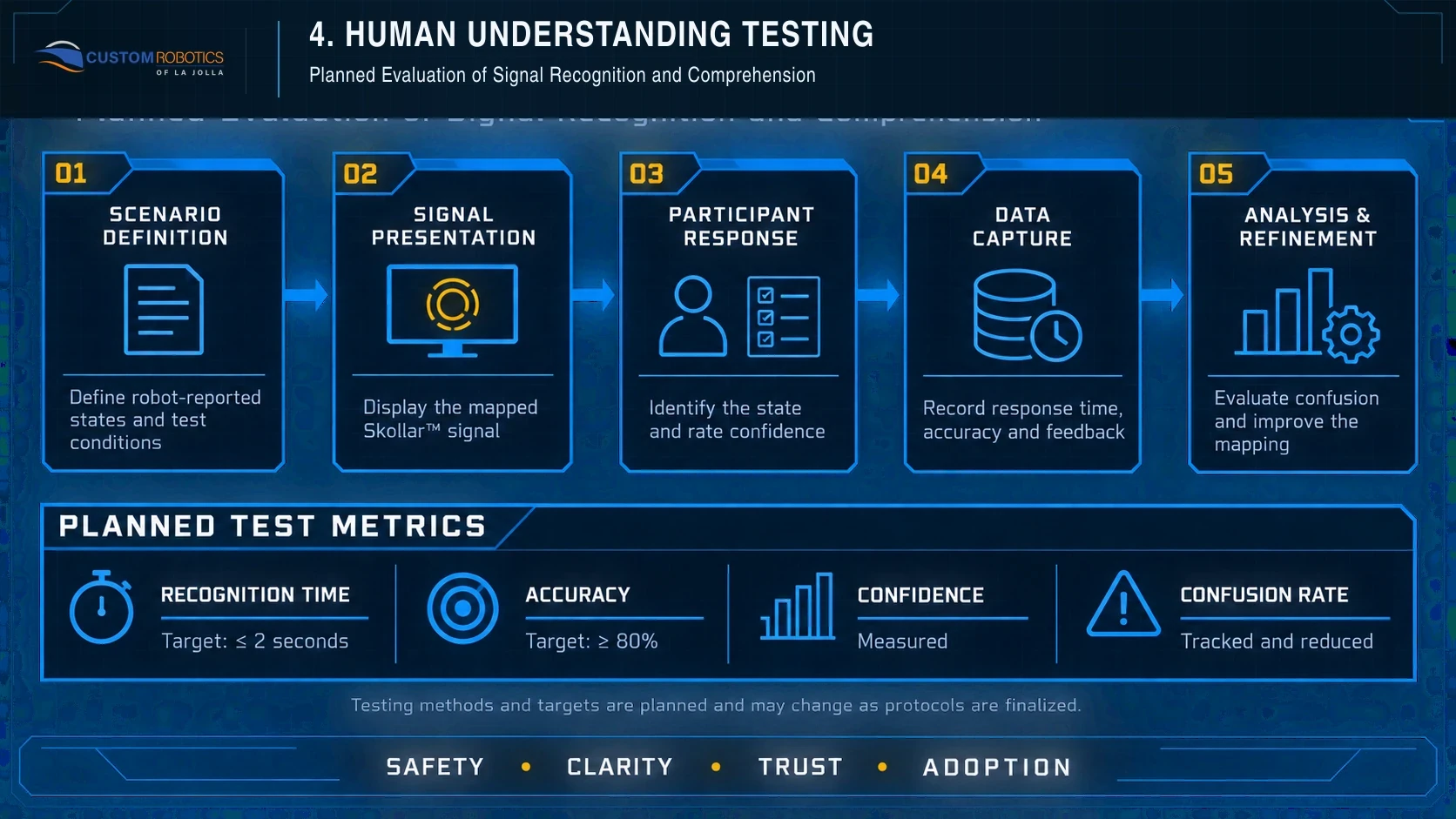
The objective is simple: make robot intent recognizable without requiring someone nearby to interpret complex telemetry, open software, or understand the robot's internal systems.
Target recognition time for robot state.
Target comprehension accuracy across pilot participants without prior training.
These are MLP testing and pilot success criteria — not documented results. Testing is in development.
Human Understanding on the Floor. Operational Visibility Behind It.
The Skollar dashboard is designed to provide supervisory visibility during pilots and operation.
We Don't Build the Robot. We Build What Helps People Understand It.
CRLJ's strategy is not to compete with robot manufacturers. Skollar™ is being developed as a platform-agnostic layer designed to integrate with robotic platforms and support a broader ecosystem of OEMs, integrators and deployment partners.
- Quadruped
- Humanoid
- AMR
- Service Robot
- Future Platforms
Platform categories shown are generic. Compatibility with specific commercial platforms is stated only where technically validated.
Skollar™ Is One Part of a Larger Trust Architecture.
CRLJ is developing a tiered assurance framework. Each tier describes a different depth of evaluation.
- Tier 01
Skollar Enabled™
The autonomous system incorporates CRLJ technology supporting human-readable communication, operational transparency, and Security & Data Protection visibility.
- Tier 02
CRLJ Monitored™
The autonomous system is monitored against defined operating, communication, security, and data-protection conditions.
- Tier 03
Independent Third-Party Validation
Objective evaluation against defined CRLJ requirements using documented evidence, performed by a party other than the manufacturer.
- Tier 04
CRLJ Assured™
CRLJ Assured™ is being developed as a trust designation for autonomous systems evaluated against defined CRLJ requirements for communication, Security & Data Protection, transparency, monitoring and trusted human-ready deployment.
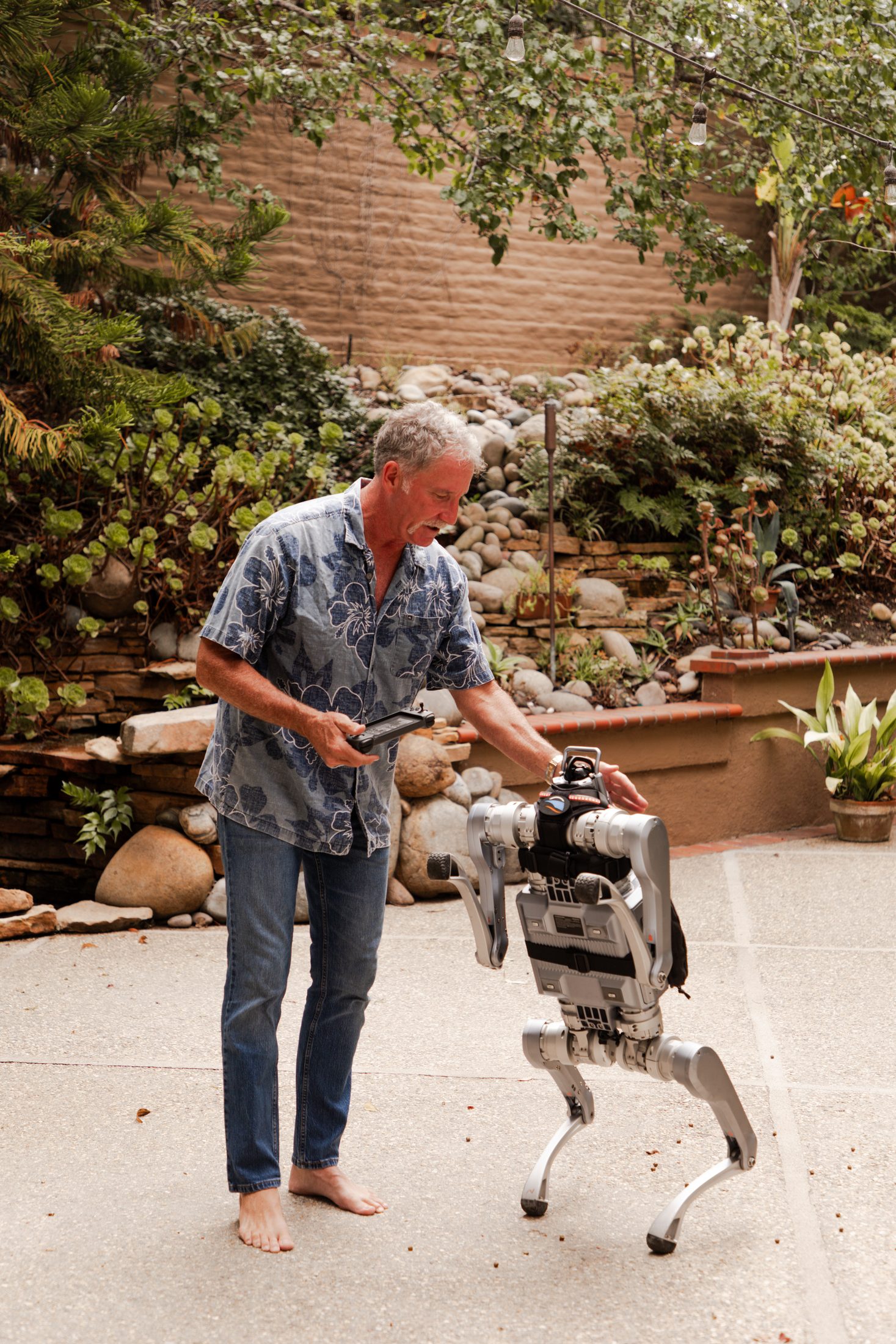
Help Define the Future of Human-Ready Robotics.
CRLJ is seeking organizations interested in evaluating Skollar™ in real-world environments and helping establish measurable benchmarks for human comprehension, operational visibility, and trusted robotics deployment.