
What Is the Robot Doing With Our Data?
Connected autonomous systems may see, hear, sense, map, collect, store, and transmit information about people, facilities and operations.
A robot can be physically safe and still create a security risk. Understanding what a machine is doing is only part of trusted deployment — organizations also need visibility into what it can access and where that information goes.
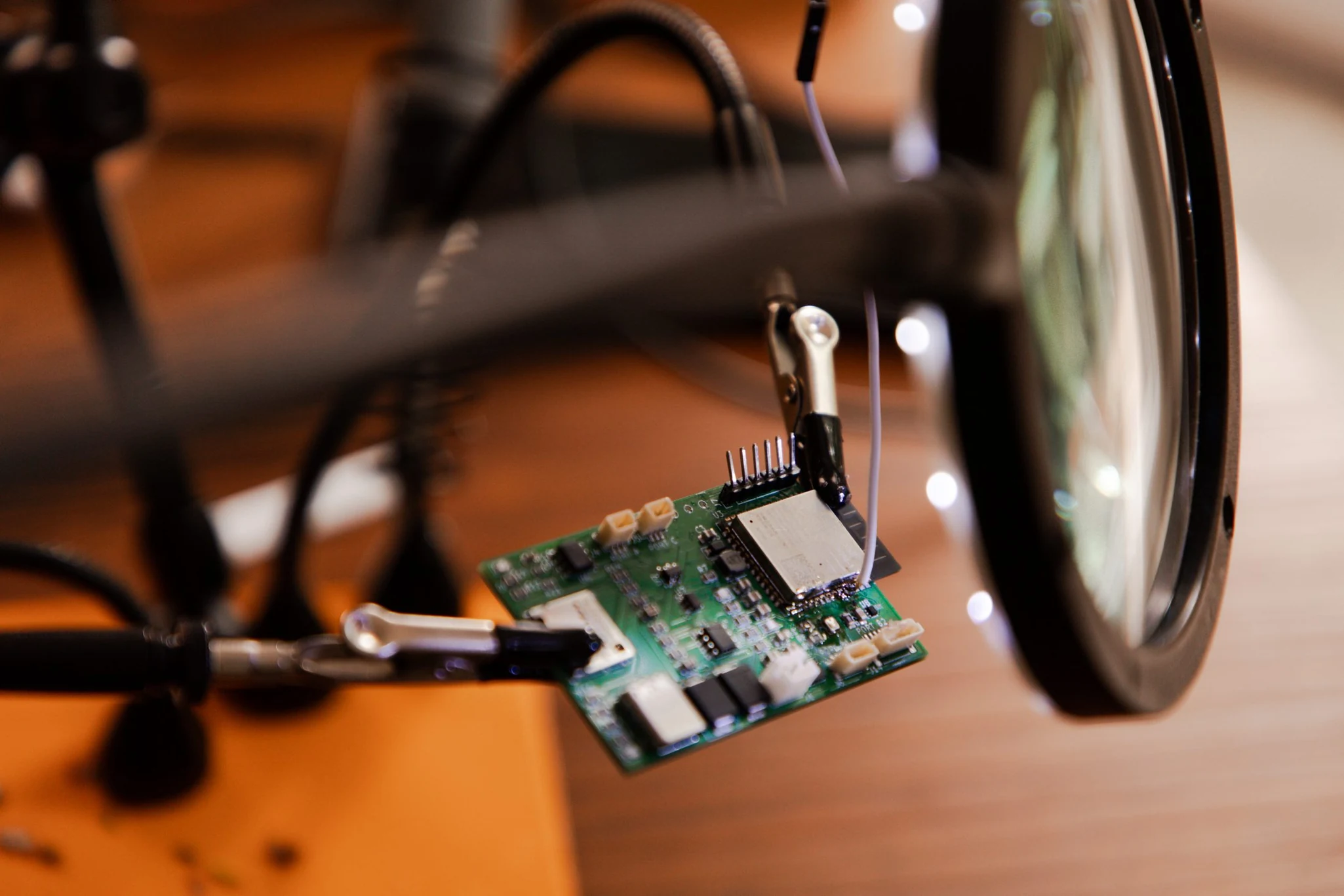
Physical Safety and Data Accountability Are Not the Same Thing.
Trusted deployment in human and sensitive environments depends on answering a specific set of questions before a platform is accepted into the space.
What can the robot see, hear, sense and collect?
Cameras, microphones, LiDAR, mapping, and environmental sensors capture information about the spaces and people around the machine.
What sensitive information can it access?
Facility layouts, operational routines, personnel movement, network resources, and connected systems may all fall within reach of a deployed platform.
Where is information stored or transmitted?
Information may rest on the device, move across a local network, or leave the environment entirely for cloud processing, updates or analytics.
Who or what systems can access it?
Operators, vendors, integrators, update services, and third-party components can each represent a different access path.
How are security and data-protection claims evaluated?
Claims become useful only when they are written as defined requirements that can be tested against documented evidence.
Who independently validates those claims?
The organization deploying a robot needs confidence that critical claims were reviewed by someone other than the party making them.
Follow the Information, Not Just the Machine.
Every connected robot creates a path that information travels. Making that path explicit is the first step toward evaluating it.
- 01SensingCameras, audio, LiDAR, and environmental inputs
- 02Local ProcessingOn-device interpretation of captured information
- 03TransmissionWhat leaves the local environment, and how
- 04StorageWhere information rests and for how long
- 05AccessWho and what systems can reach it
CRLJ does not replace cybersecurity.
CRLJ addresses the security and trust requirements unique to deploying autonomous systems in human and sensitive environments. Enterprise cybersecurity programs, network security, identity, and access management and data governance remain the responsibility of the deploying organization.
An Independent Robotics Trust Layer — Not a Security Product.
CRLJ is developing capabilities intended to make robotics security and data-protection questions visible, evaluable, and independently reviewable. These capabilities are in development and are not presented as commercially established.
Visibility
In developmentMaking the sensing, processing, transmission, storage, and access questions explicit rather than assumed.
Defined Requirements
In developmentTranslating broad security language into specific, evaluable conditions for a robotics deployment.
Monitoring
In developmentDesigned to observe defined operating, communication, security, and data-protection conditions over time.
Independent Evaluation
In developmentRouting critical claims toward objective third-party evaluation rather than self-assessment.
Nothing on this page should be read as a completed certification, a compliance determination, a government approval or a guarantee that a system is secure.
Security Earns Attention. Validation Earns Trust.
Bring the Data Questions Into the Deployment Conversation.
Talk with CRLJ about evaluating Human Understanding, Security & Data Protection, and Independent Validation in a defined robotics environment.