
Robotics People Can Understand in Environments Built Around Human Care.
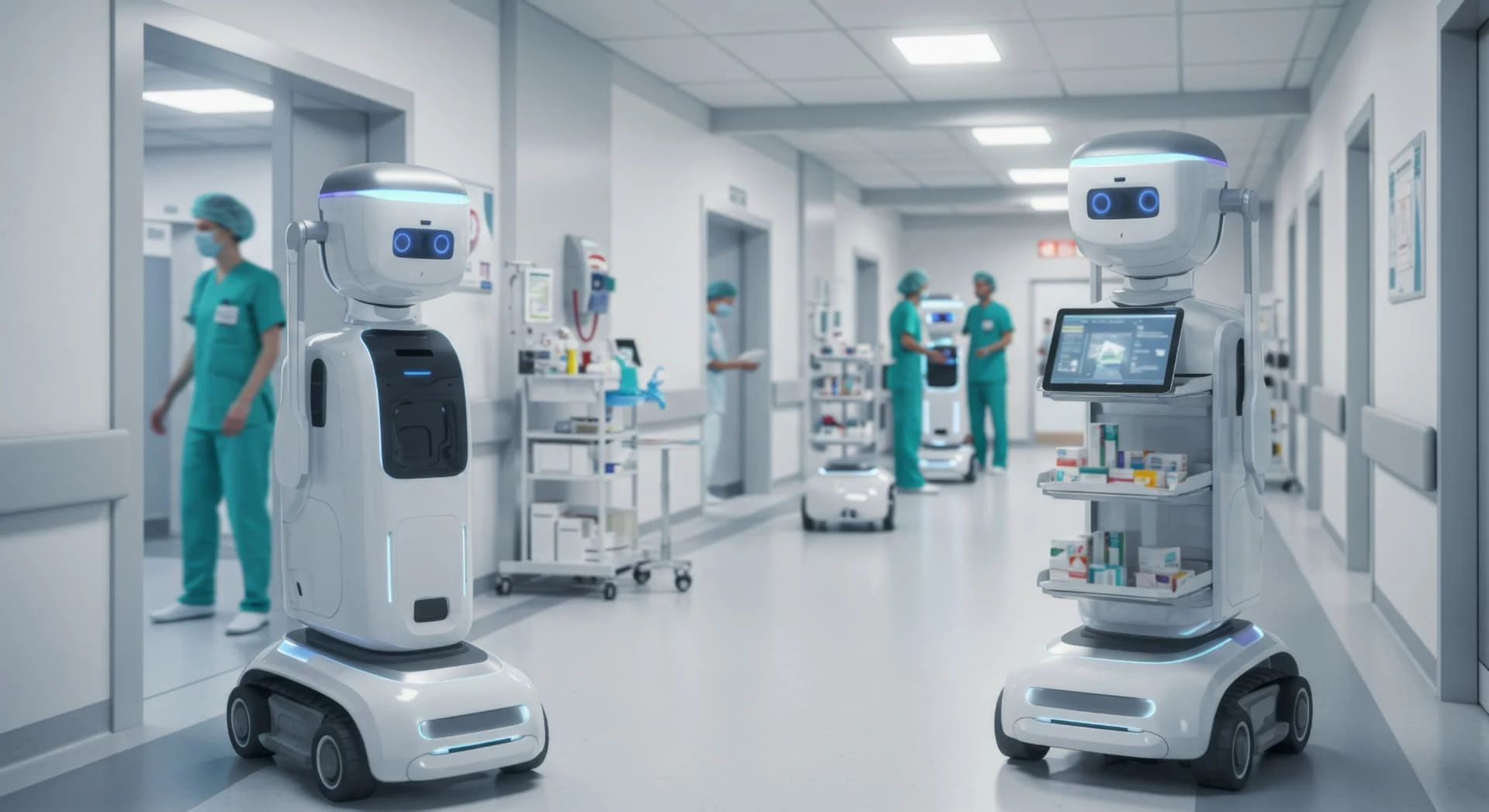
Care environments bring autonomous systems into contact with patients, clinicians, staff, and visitors — people who did not choose to be near a robot and have no reason to know how one behaves.
Trust here has two sides at once: what the system is doing, and what it is doing with sensitive information.
Understanding and Data Protection Carry Equal Weight.
In human-centered environments, neither side of trust is sufficient alone. A system people cannot read is unsettling; a system whose data handling is unexamined is unacceptable.
- 01UnderstandingPeople can read what the system is doing
- 02SecurityWhat is sensed, stored, and transmitted is made explicit
- 03Independent Third-Party ValidationCritical claims evaluated against documented evidence
- 04CRLJ Assured™A developing designation for what has been evaluated
- 05TrustPatients, clinicians, and staff can reason about the system
- 06AdoptionAutonomy accepted in human-centered environments
What Makes Care Environments Distinct.
Unprepared Encounters
Patients, visitors, and families meet autonomous systems without briefing, training, or context.
Staff Under Load
Clinicians and support staff should not have to interpret machine behavior while managing care.
Sensors Everywhere
Cameras, microphones, and mapping operate in spaces where privacy expectations are unusually high.
Two Questions at Once
What is the robot doing — and what is it doing with sensitive information? Both must be answerable.
Four Answers Everyone in the Room Deserves.
No one in a care setting should need robotics or security expertise to know whether a system can be trusted.
Behavior and Intent
Readable state and next action, expressed without technical language or a screen.
Presence and Purpose
Why the system is in this space and what it is there to do.
What Is Being Sensed
Clear articulation of what the system captures while operating around people.
Where Information Goes
Where data rests, how it moves, and who can reach it.
An Independent Robotics Trust Layer for Human Environments.
CRLJ does not replace clinical judgment, hospital IT security, or a manufacturer's own controls. CRLJ addresses Human Understanding, Security & Data Protection visibility, and Independent Validation around autonomous systems.
Human Understanding
In developmentSkollar™ is designed to express selected robot states and intent to anyone nearby, not only trained staff.
Security & Data Protection
In developmentMaking sensing, processing, transmission, storage, and access questions explicit rather than assumed.
Independent Third-Party Validation
In developmentTurning critical claims into defined requirements evaluated with documented evidence.
CRLJ Assured™
In developmentA developing CRLJ trust designation — not a regulatory approval, clinical clearance or certification.
CRLJ capabilities described on this page are in development. Nothing here represents a determination of healthcare regulatory compliance, medical-device clearance or certification, a clinical safety claim, or an endorsement by any authority. CRLJ does not claim healthcare customers, deployments, partnerships, or test results.
Evaluate Both Sides of Trust Together.
Trust the Robot. Trust the Data. Verify Both.
Talk with CRLJ about evaluating human-readable robot communication and Security & Data Protection visibility in a defined care environment.