
Help People Understand Autonomous Systems in Motion.
Distribution and fulfillment environments are dynamic by design. People, autonomous mobile robots, material-handling systems, and other machines may operate in the same space, at pace, all day.
In motion, understanding has to be immediate. A worker deciding whether to step forward cannot consult a screen.
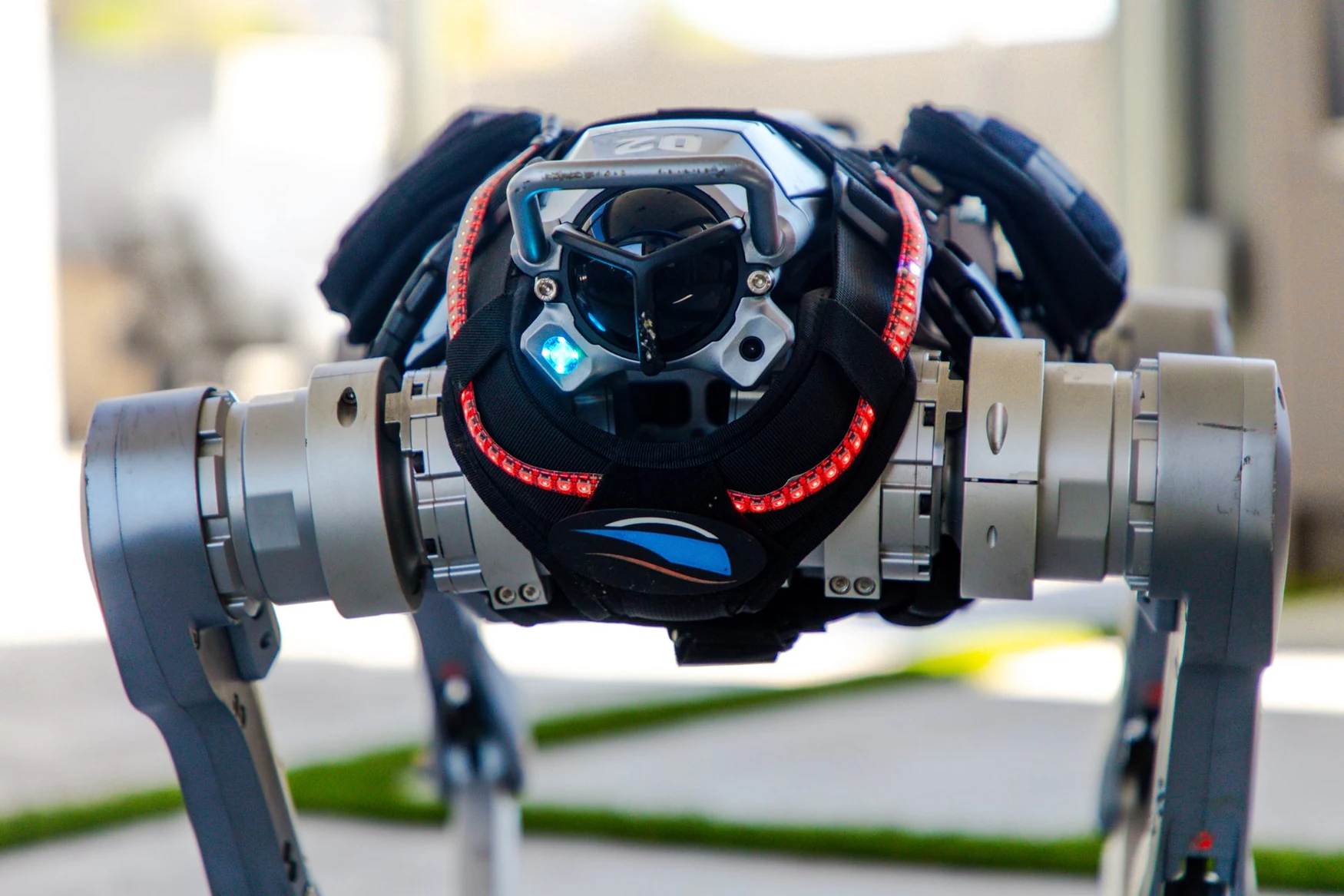
From Motion to Confidence.
Operational clarity is what converts a fleet that technically works into one people are comfortable working around.
- 01MotionAutonomous systems moving through shared space
- 02UnderstandingPeople can read state, intent, and direction
- 03PredictabilityBehavior matches what people expect to happen
- 04TrustWorkers move confidently around the fleet
- 05AdoptionAutonomy scales across the operation
What Makes Shared, Moving Environments Hard.
Everything Is Moving
People, autonomous mobile robots, material-handling systems, and manual equipment may share the same aisles at the same time.
Intent Is Invisible
A moving robot rarely communicates where it is going, whether it is about to turn, or whether it has yielded.
Mixed Fleets
Different vendors express state in different ways, so workers learn a different language for each machine.
Pace and Turnover
High-tempo operations and new staff leave little room for training people to interpret machine behavior.
Four Signals Worth Reading From Across an Aisle.
Understanding in motion should not depend on training, tenure, or line of sight to a control screen.
Direction
Where the system intends to travel next, communicated before the movement begins.
State
Whether it is active, yielding, paused, charging, or waiting on something else.
Awareness
Whether the system has registered a person or obstacle in its path.
Consistency
The same signal meaning the same thing across every machine in the building.
A Trust Layer Over the Autonomy You Already Operate.
CRLJ is designed to add human understanding around existing fleets. It does not take over navigation, obstacle avoidance, fleet control, or cybersecurity, and it is not a safety system.
Human-Readable Signaling
In developmentSkollar™ is designed to express selected robot states and intent so people can interpret them at distance and at pace.
Integration, Not Replacement
In developmentDesigned to complement existing navigation, autonomy, fleet management and control systems rather than substitute for them.
Security & Data Protection
SupportingSupporting visibility into what connected fleets sense, store, and transmit across a facility.
Independent Third-Party Validation
SupportingA route to evaluating critical trust claims with documented evidence.
CRLJ capabilities described on this page are in development. Skollar™ is a communication layer: it does not prevent collisions, override robot behavior, or guarantee safety, compliance, or successful deployment. CRLJ does not claim customers, deployments, partnerships, or performance results in this sector.
Pick One Zone and One Fleet.
Make Movement Legible.
Talk with CRLJ about evaluating human-readable robot communication in a defined logistics environment.