
The Empathy Gap in Robotics Nobody Is Talking About
Why the Future of Robotics Depends on Human Understanding
Custom Robotics of La Jolla is working to close the empathy gap in robotics — building The Empathy Layer that makes robotic behavior visible, intuitive, and trustworthy so people can work confidently alongside autonomous systems.
David Skillin · June 10, 2026
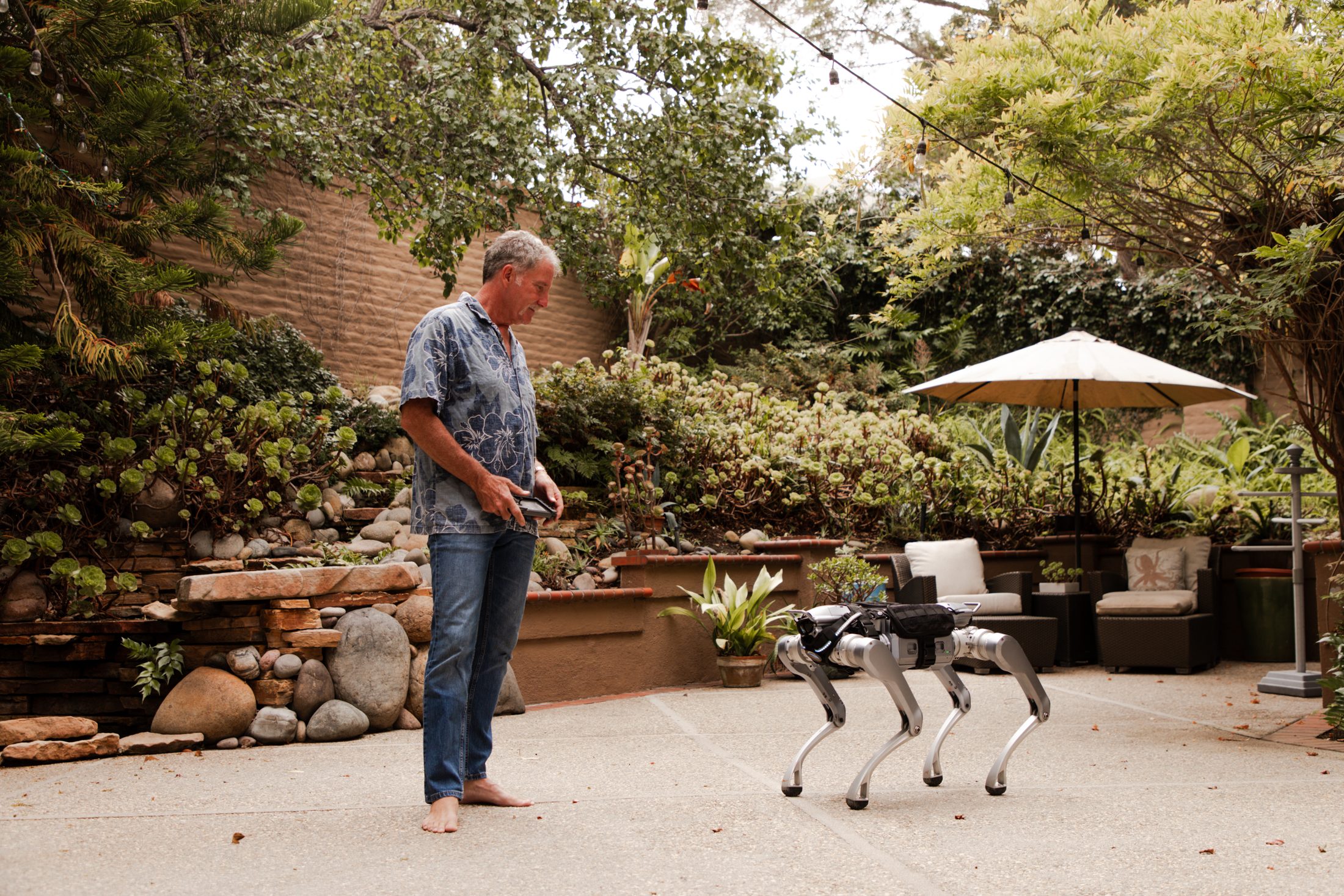
Engineers are developing robots that can navigate dynamic environments, avoid obstacles, recognize objects, optimize workflows, and perform increasingly sophisticated tasks without human intervention. At the same time, artificial intelligence continues to improve machine decision-making, while advances in sensors and computer vision make robots more capable than ever before.
Despite all of this innovation, one critical problem remains largely overlooked. It is not a robotics problem—it's a human problem. Specifically, as robots move from isolated environments into warehouses, manufacturing facilities, hospitals, logistics centers, airports, retail locations, and eventually public spaces, humans are being asked to interact with them in entirely new ways. The challenge is that most robots are designed to understand their environments, but very few are designed to help humans understand them better.
Custom Robotics of La Jolla (CRLJ) believes this communication gap represents one of the largest barriers to widespread robotics adoption. We call it the empathy gap: the missing layer of understanding between capable machines and the people working beside them.
Robots Understand More Than Humans Can See
Modern robotics systems are incredibly aware. A robot may know:
- Its current location
- Its destination
- Its speed
- Nearby obstacles
- Battery health
- Fault conditions
- Navigation priorities
- Its operational status
Internally, these systems are processing thousands of data points every second. Externally, however, much of this intelligence remains invisible. The robot may know exactly what it is doing, but humans standing nearby often do not.
"We're building robots that can understand the world around them, but we're not building systems that help the world understand the robot," explains CRLJ Founder and CEO David Skillin (opens in a new tab).
The Cost of Ambiguity
Imagine approaching an autonomous mobile robot in a busy warehouse. The robot begins moving toward you.
- Will it stop?
- Will it continue forward?
- Will it turn?
- Has it detected you?
- Is it operating normally?
The answers may be obvious to the robot, but they are likely unclear to you.
Such uncertainty creates a range of operational challenges:
- Worker hesitation
- Reduced trust
- Increased training requirements
- Safety concerns
- Slower deployment approvals
- Adoption resistance
In many cases, organizations discover that technical performance is not the primary barrier to success. According to the Association for Advancing Automation (opens in a new tab) (A3), successful automation initiatives depend on both technology implementation and workforce acceptance. Thus human comfort working alongside technology becomes a challenge that needs addressing.
Lessons from Other Industries
This is not the first time technology has faced communications challenges.
Transportation solved it decades ago. Drivers have come to rely on:
- Turn signals
- Brake lights
- Traffic lights
- Road signs
- Hazard indicators
These systems communicate intent quickly and effectively.
Healthcare solved a similar challenge.
Doctors and nurses rely on:
- Vital sign monitors
- Warning alarms
- Color-coded indicators
- Standardized communication systems
Similarly, aviation depends heavily on visual alerts, instrumentation, and standardized warning systems.
None of these industries assumed people should simply trust complex systems without visibility. They provided communication, which led to greater comfort and widespread adoption.
Robotics should be no different.
Why Dashboards Aren't Enough
Many robotics companies rely heavily on software dashboards to provide information. Dashboards are valuable for a number of reasons, offering:
- Performance data
- Fleet management
- System diagnostics
- Operational reporting
But dashboards have limitations:
- Workers cannot spend their day watching screens.
- Warehouse personnel operate in dynamic environments.
- Manufacturing teams make decisions in real time.
- People need immediate awareness.
- They need understanding in the moment.
This is where robotics often falls short. The information exists, but the means for communication does not.
The Missing Layer
At CRLJ, we believe robotics is missing an entire category that we call The Empathy Layer for Robotics™. This layer sits between machine intelligence and human understanding.
Its purpose is to translate robotic behavior into intuitive, human-readable communication.
Just as graphical user interfaces transformed computing by making technology accessible to everyday users, human-readable robotics systems can transform automation by making machine behavior understandable.
The goal is to answer fundamental human questions instantly:
- What is the robot doing?
- What does it plan to do next?
- Is it safe to approach?
- Is it operating normally?
When these questions can be answered immediately, trust begins to form.
Why This Matters Now
As the old saying goes, timing is everything. The International Federation of Robotics (opens in a new tab) (IFR) continues to report strong growth in robotics adoption globally as organizations seek solutions for labor shortages, productivity improvements, and operational efficiency. As deployment increases, robots will become more common in shared human environments.
This means that various industries must begin to focus on human-robot interaction. Organizations that solve this challenge will gain significant advantages:
- Faster deployment
- Greater workforce acceptance
- Reduced operational friction
- Improved safety confidence
- Stronger long-term adoption
Clearly, the future of robotics depends on more than autonomy—it depends on communication.
According to Skillin, "The future isn't humans versus robots. It's humans working confidently alongside them."
The empathy gap is real. The good news is that it can be solved.
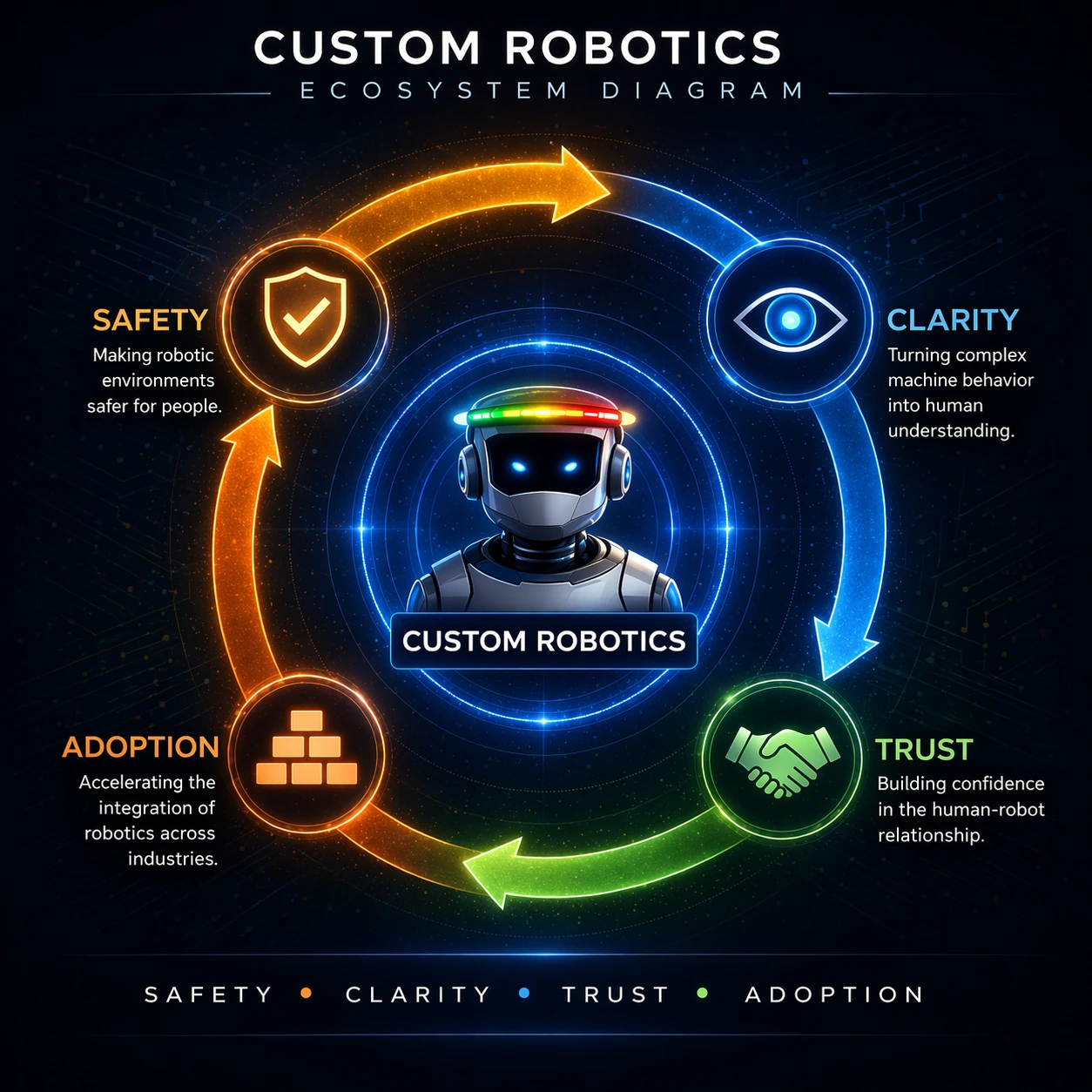
Time to Make Your Robots Human‑Ready
If you're looking to bridge the divide between robot autonomy and human acceptance, contact Custom Robotics of La Jolla at info@customrobotics.io to arrange a free, no‑strings‑attached consult.
About David Skillin
David Skillin is Founder and CEO of Custom Robotics of La Jolla and creator of The Empathy Layer for Robotics™ framework. His work focuses on improving safety, clarity, trust, and adoption in shared human-robot environments.
About Custom Robotics of La Jolla
Custom Robotics of La Jolla (CRLJ) is defining The Empathy Layer for Robotics™—helping humans understand, trust, and safely interact with autonomous systems.