
What Makes a Robot Human-Ready?
Why the Future of Robotics Depends on More Than Artificial Intelligence
Custom Robotics of La Jolla understands that the next breakthrough in automation isn't smarter AI but Human‑Ready Robotics systems designed to help people understand, trust, and confidently interact with autonomous machines.
David Skillin · June 10, 2026
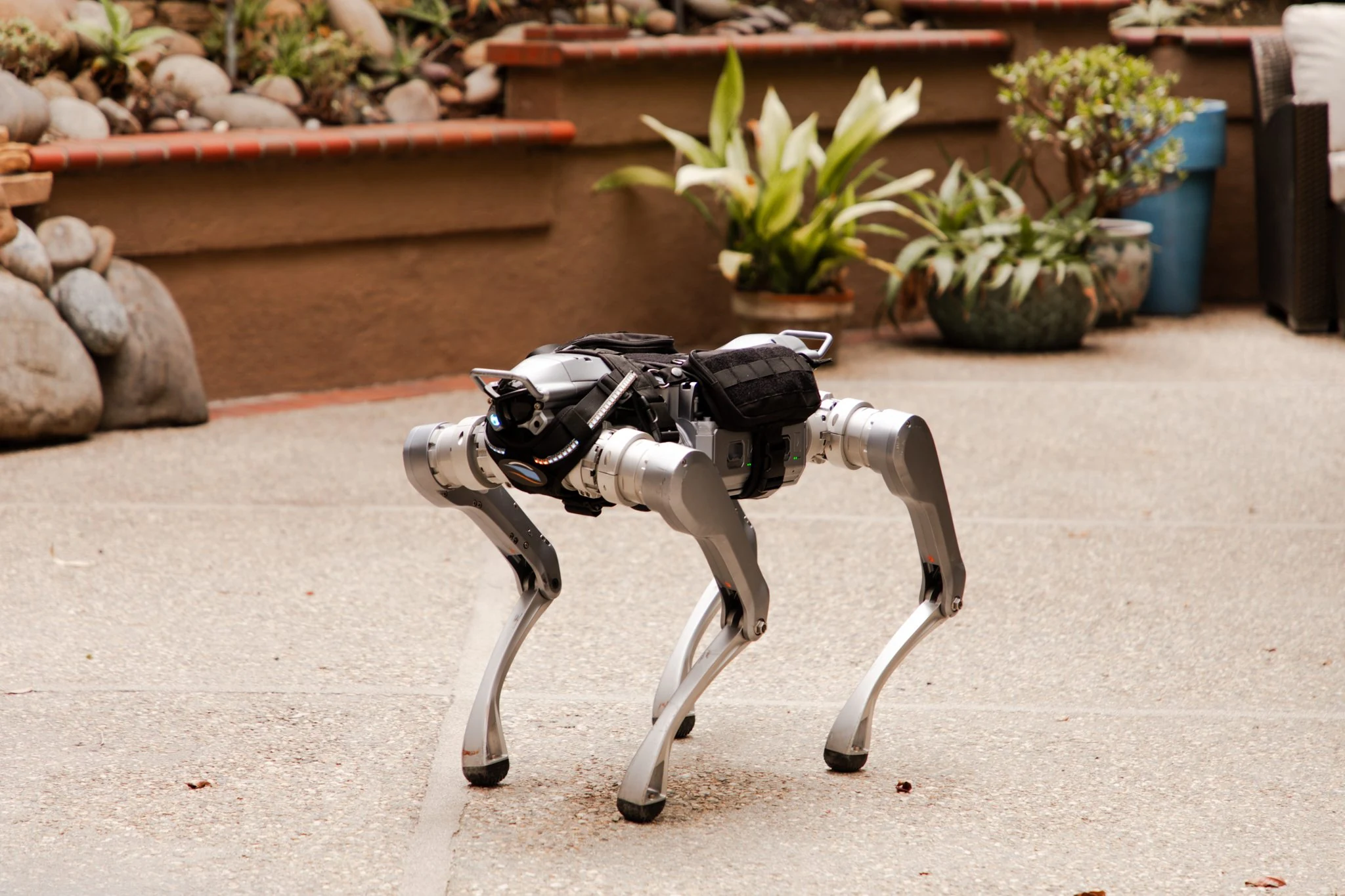
For decades, innovation has focused on making robots more capable. Engineers have improved machine sensing, artificial intelligence, navigation systems, autonomy, and computing power. Today's robots can perform tasks that once seemed impossible—from autonomously moving inventory across massive warehouses to assisting healthcare professionals and navigating complex environments without human intervention.
While these advancements are impressive, as robots increasingly move into environments shared with people, a new question arises, "What makes a robot truly ready to work alongside humans?"
Custom Robotics of La Jolla (CRLJ) believes the answer has less to do with artificial intelligence and more to do with how effectively humans can understand, trust, and interact with robots. In other words, the future belongs to Human-Ready Robotics.
The Shift from Machine-Centered Design to Human-Centered Design
Historically, robotics development has been machine-centered. The primary goals were straightforward:
- Improve efficiency
- Increase productivity
- Reduce costs
- Automate repetitive tasks
- Improve accuracy
These objectives remain important. However, robotics is no longer confined to isolated environments behind safety fences.
Today's robots are increasingly operating in:
- Warehouses
- Manufacturing facilities
- Hospitals
- Airports
- Hotels
- Retail environments
- Distribution centers
- Public spaces
In these environments, robots are no longer simply interacting with infrastructure. They are interacting with people, and that changes everything. Success is no longer determined solely by operational performance. It also depends on human acceptance.
The Human Readiness Challenge
Many robotics deployments struggle as they face an unexpected obstacle: the robots perform exactly as designed, but workers remain hesitant and managers remain cautious.
Why?
Because humans naturally wonder:
- Is this safe?
- What is the robot doing?
- What happens next?
- Can I trust it?
- Does it see me?
- Is it aware of my presence?
These are not technology questions. They are human questions, and they play a critical role in adoption.
"A robot may be technically ready for deployment," says Skillin. "But if humans don't understand it, the system isn't truly human-ready."
Human-Ready Robotics Defined
At CRLJ, we define Human-Ready Robotics as "Robotics systems intentionally designed to help humans understand, trust, and safely interact with autonomous machines."
Human-ready systems prioritize more than performance. They prioritize communication as a means to reduce uncertainty while improving confidence.
This requires robotics platforms that communicate the following in real-time:
- Status
- Intent
- Direction
- Awareness
- Safety conditions
- Operational state
Humans should not need specialized training to understand basic robotic behavior. They should be able to interpret such important information naturally.
Why Understanding Matters
Human beings have always relied heavily on situational awareness. Every day we use visual cues to interpret our environment.
Drivers rely on:
- Brake lights
- Turn signals
- Traffic signals
- Road markings
Pilots rely on:
- Instrument displays
- Warning indicators
- Standardized alerts
Healthcare professionals rely on:
- Vital signs
- Status monitors
- Alarm systems
These systems exist because humans need information that is:
- Immediate
- Understandable
- Actionable
The robotics industry faces the same challenge. As robots become more common in shared environments, humans need ways to quickly understand machine behavior.
The Five Characteristics of Human-Ready Robotics
While the industry continues to evolve, several characteristics consistently define human-ready systems.
Visibility
- People should be able to understand robot status at a glance.
- Critical information should not be hidden behind software dashboards.
Predictability
- Humans should be able to anticipate robot behavior.
- Unexpected actions reduce confidence.
- Predictable actions build trust.
Transparency
- Robots should communicate intent clearly.
- Humans should understand what the machine plans to do next.
Awareness
- People should know whether the robot has detected them and understands its surroundings.
Trustworthiness
- Over time, communication and consistency create confidence.
- Trust becomes the foundation of successful human-robot interaction.
The Empathy Layer for Robotics™
CRLJ believes robotics is missing an important category. This is what we call The Empathy Layer for Robotics™. It serves as the bridge between machine intelligence and human understanding. Its purpose is to translate robotic behavior into human-readable communication.
Just as graphical user interfaces transformed computing by making technology accessible to everyday users, human-readable robotics systems can transform automation by making machines easier to understand.
The objective is not to replace artificial intelligence. The objective is to make artificial intelligence visible.
Why This Matters
According to the International Federation of Robotics (opens in a new tab) (IFR), global robotics adoption continues to expand as organizations seek solutions to labor shortages, productivity challenges, and operational efficiency demands.
As deployment accelerates, the industry faces a critical inflection point.
- The first phase of robotics focused on automation.
- The second phase focused on intelligence.
- The next phase will focus on interaction.
Organizations that recognize this shift early and create stronger relationships between humans and machines will deploy faster, build trust faster, and scale faster.
Looking Ahead
The robotics industry continues to make incredible progress. Machines are becoming smarter, faster, and more autonomous every year. But intelligence alone will not define the next generation of robotics. Human readiness will.
Organizations that prioritize communication, transparency, and trust will help shape the future of robotics. Because the most successful robots of tomorrow will not simply be the smartest. They will be the easiest for humans to understand and work around.
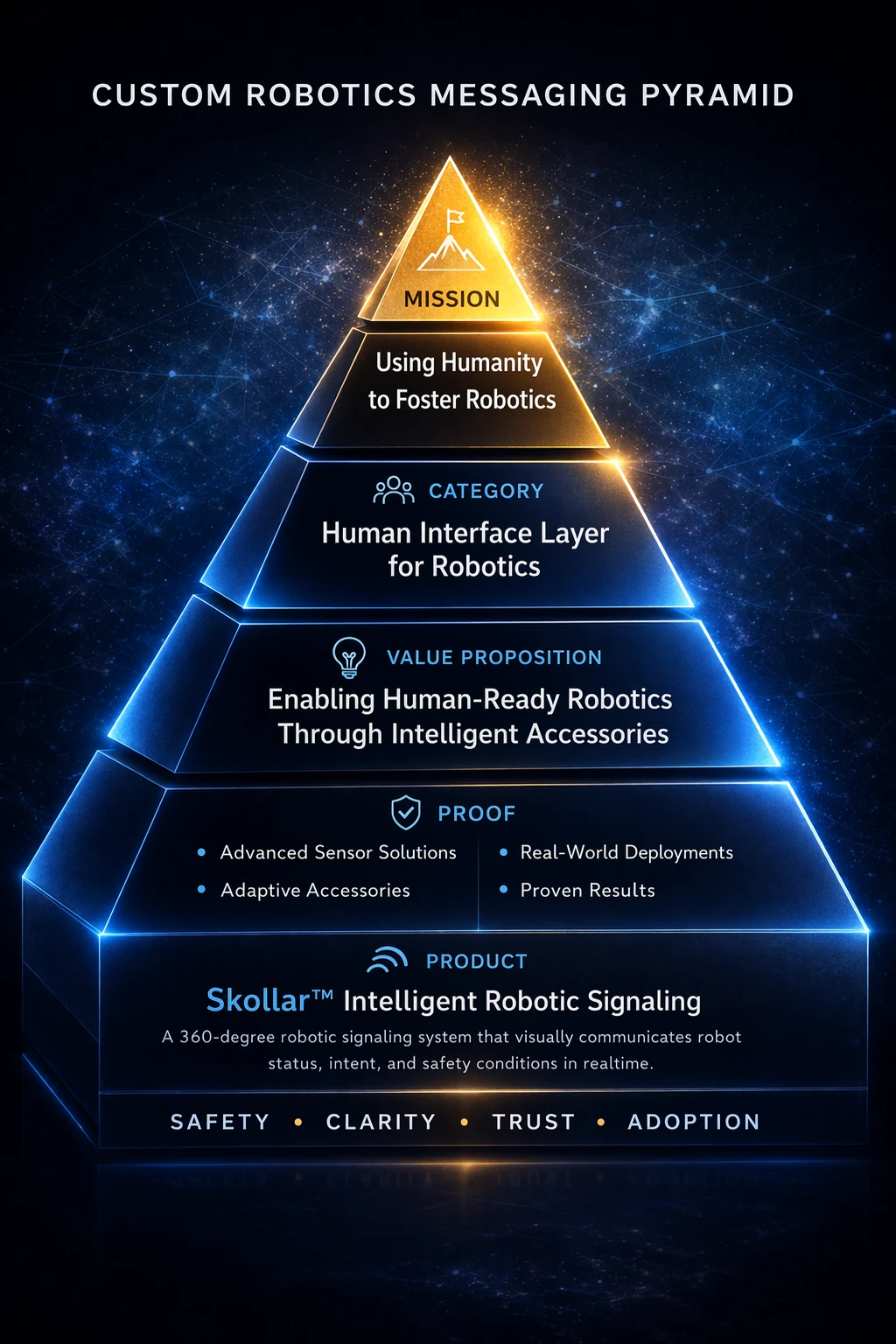
Time to Make Your Robots Human‑Ready
If you're looking to bridge the divide between robot autonomy and human acceptance, contact Custom Robotics of La Jolla at info@customrobotics.io to arrange a free, no‑strings‑attached consult.
About David Skillin
David Skillin is Founder and CEO of Custom Robotics of La Jolla and creator of The Empathy Layer for Robotics™ framework. His work focuses on improving safety, clarity, trust, and adoption in shared human-robot environments.
About Custom Robotics of La Jolla
Custom Robotics of La Jolla (CRLJ) is defining The Empathy Layer for Robotics™—helping humans understand, trust, and safely interact with autonomous systems.