
Trust the Robot. Trust the Data. Verify Both.
Autonomous systems operating in government, defense, and other sensitive environments may see, sense, map, collect, access, and transmit information about facilities, personnel, and operations.
A robot can be physically safe and still create a security risk. Trusted deployment in these environments depends on Human Understanding, Security & Data Protection, and independently validated claims.
CRLJ capabilities described here are in development and are not affiliated with or endorsed by any government body.
From Security Concern to Trusted Deployment.
In sensitive environments, security is what earns attention — but understanding, evidence, and independent evaluation are what make deployment defensible.
- 01Security ThreatConnected systems operating in sensitive environments
- 02Human UnderstandingPeople can recognize what the machine is doing
- 03Security & Data ProtectionVisibility into what is sensed, stored, and transmitted
- 04Independent Third-Party ValidationCritical claims evaluated against evidence
- 05CRLJ Assured™A developing designation for what has been evaluated
- 06Trusted DeploymentConfidence to operate around people and assets
What Every Sensitive Deployment Has to Answer.
What is the robot doing?
Personnel working near an autonomous system need to recognize its current state and intent without training or a dashboard.
What can it see, collect, access, or transmit?
Cameras, audio, LiDAR, and mapping capture information about facilities, personnel, routines, and operations.
Is sensitive information secure?
Where information rests, how it moves, which components touch it, and who can reach it all shape the risk picture.
Who independently validates these claims?
Critical security and trust claims carry more weight when evaluated by a party other than the manufacturer.
Robotics Security Is Not Simply an IT Consideration.
For government, defense, and critical environments, a connected autonomous system can become a deployment, data-protection, supply-chain, and national-security consideration at the same time.
Deployment
Whether a platform can be accepted into a controlled environment at all, and under what operating conditions.
Data Protection
What a connected system can capture about facilities, personnel, and operations — and where that information goes.
Supply Chain
Components, firmware, update paths, and third-party services introduced along with the platform.
National Security
In sensitive environments, robotics security questions extend beyond ordinary IT risk management.
An Independent Robotics Trust Layer — Not a Cybersecurity Vendor.
CRLJ does not replace cybersecurity. CRLJ addresses the Human Understanding, Security & Data Protection, and Independent Validation requirements unique to deploying autonomous systems in human and sensitive environments.
Human Understanding
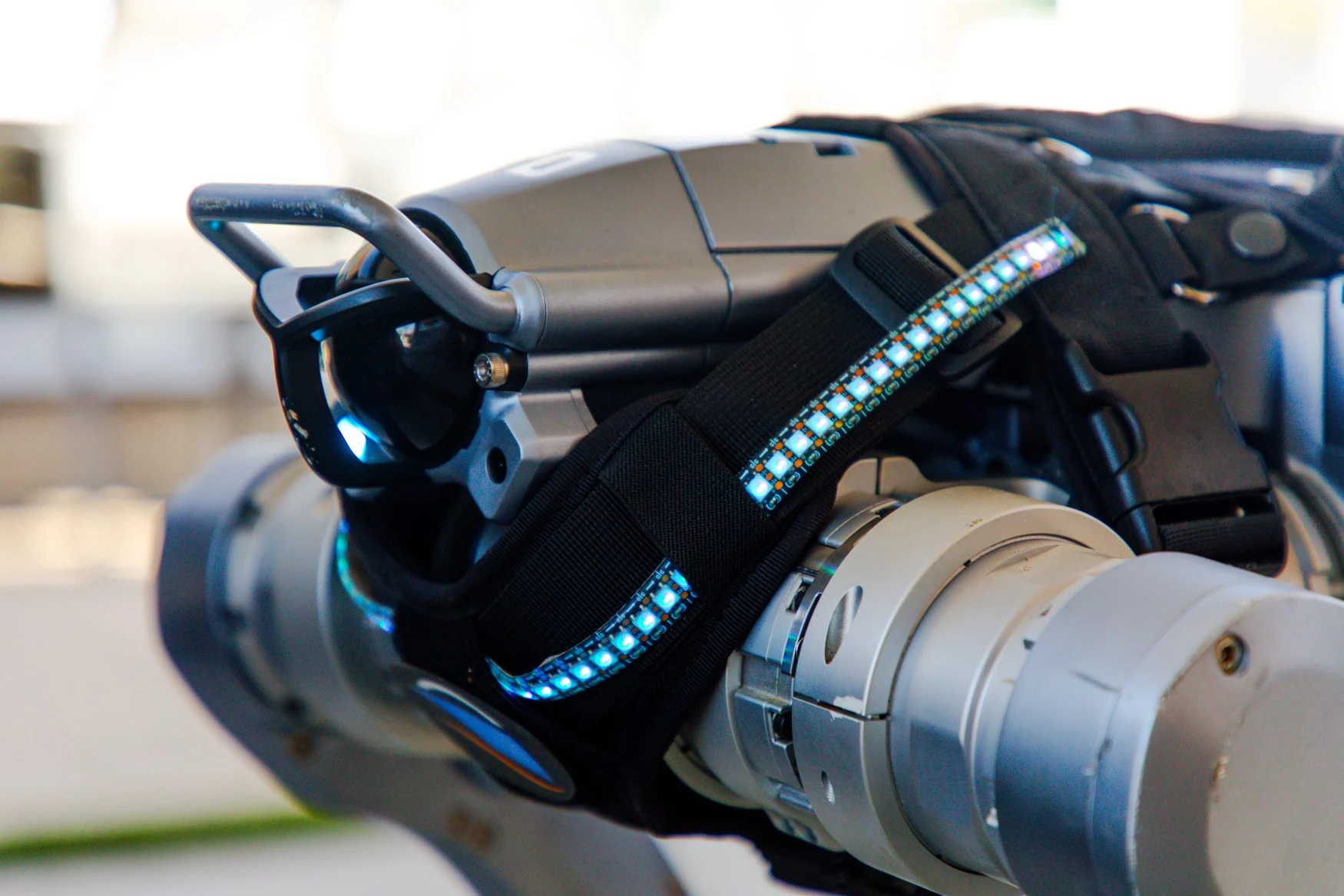
In developmentSkollar™ is designed to make selected robot states and intent readable to the people working nearby.
Security & Data Protection Visibility
In developmentMaking sensing, processing, transmission, storage, and access questions explicit rather than assumed.
Independent Third-Party Validation
In developmentTurning critical claims into defined requirements evaluated with documented evidence by an independent party.
CRLJ Assured™
In developmentA developing CRLJ trust designation — not a government certification, approval, or endorsement.
CRLJ capabilities described on this page are in development. CRLJ does not claim to serve any government agency, and nothing here represents government certification, regulatory approval, compliance determination, procurement eligibility, a waiver, or an endorsement by any government body.
Start With a Defined Robot, Use Case, and Proof Point.
CRLJ pilots are structured around a specific platform, a specific environment, planned testing, and measurable outcomes — not open-ended claims.
Bring Understanding, Security, and Validation Into the Same Conversation.
Talk with CRLJ about evaluating human-readable robot communication, Security & Data Protection visibility, and Independent Validation in a defined environment.